
Keeping Your Infrared Heaters Dry (and Safe) in Wet Zones
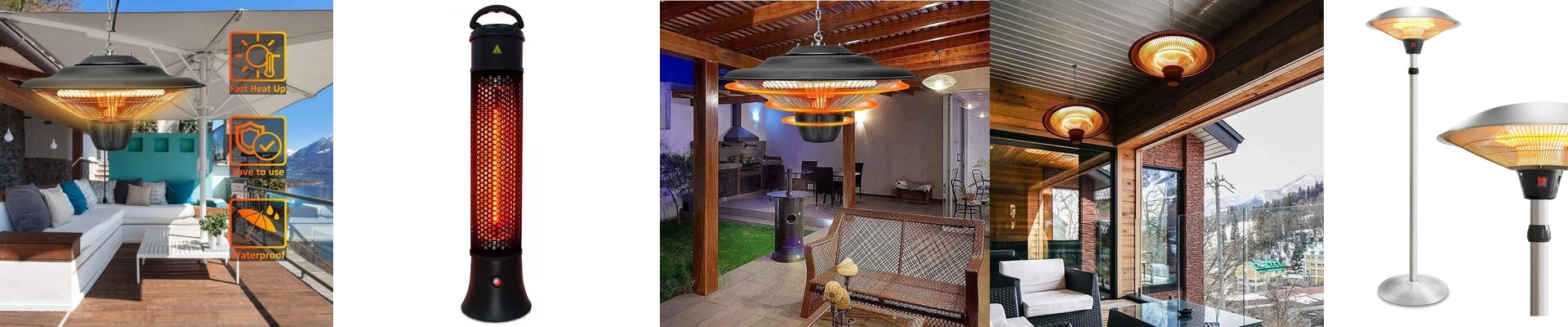
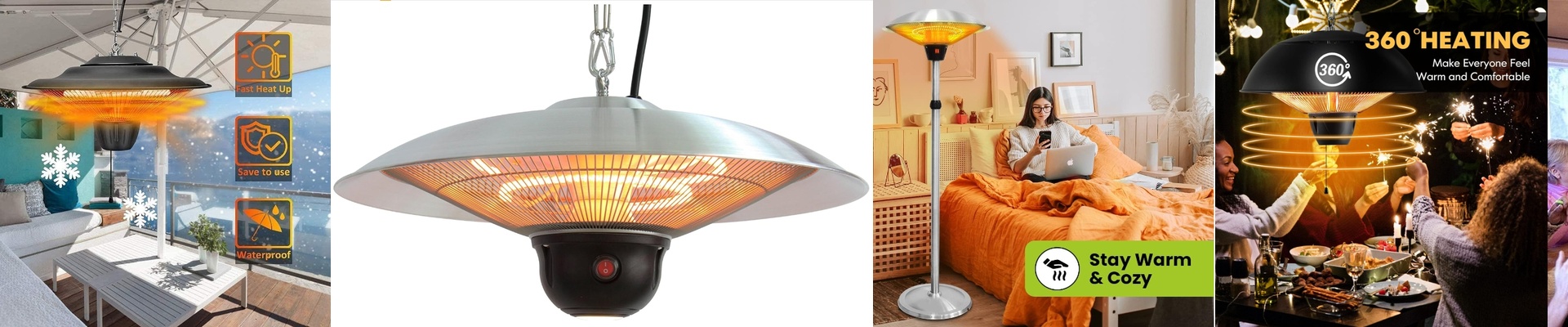
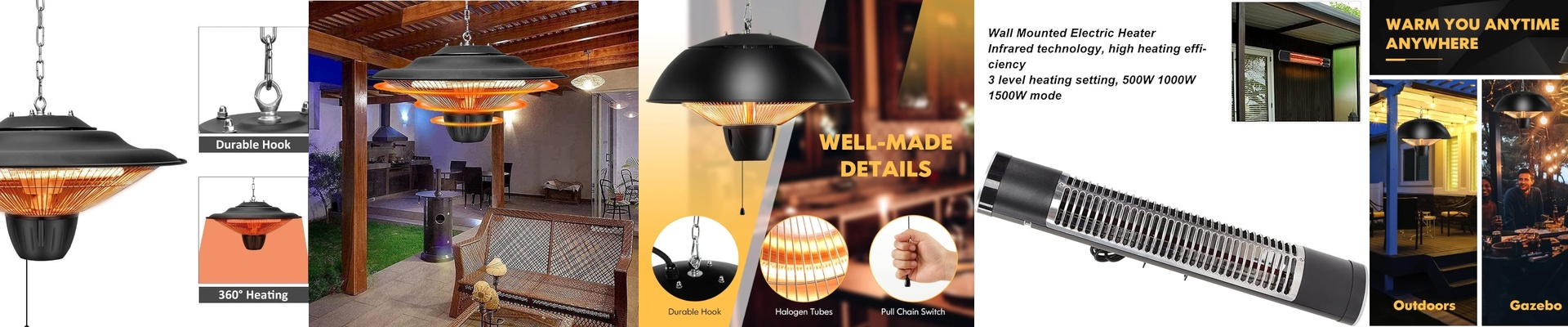
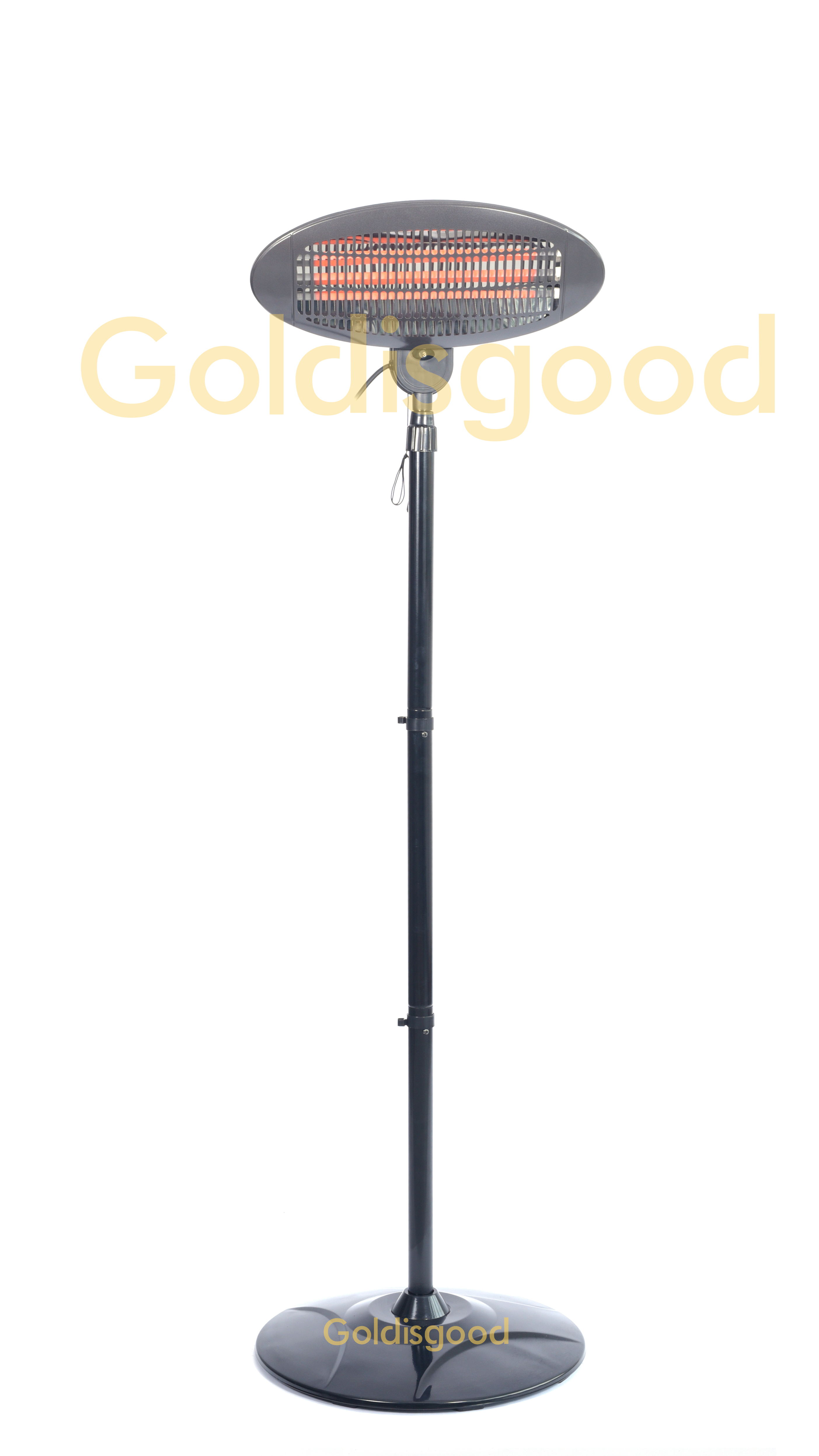
If you’re putting infrared heaters in a steamy bathroom or an outdoor pergola, you’re basically inviting a fight with moisture. Here’s the problem: water vapor loves to conduct electricity. If your insulation isn’t spot on, you’re looking at leakage currents or, in the worst case, a total short circuit. It’s not a risk worth taking. We handle this by obsessing over two things: the dielectric barrier and how we seal the whole thing up. Stopping the leaks before they start We don’t just throw a plastic shell around the heater and call it a day. That won’t cut it. Instead, we use thick, high-grade alumina or quartz glass to keep the heating element far away from the chassis. But the real danger zone? The terminals. That’s why we use epoxy-potted connections to seal where the wire meets the lamp. It stops “tracking”—which is just a fancy way of saying moisture creating a little electric bridge across the insulator. Without that epoxy, your heater could just blow out. The art of the seal You’ll see a lot of talk about IP65 or IP67 ratings, but honestly, a rating is only as good as the gaskets. We stick with silicone O-rings and compression seals at every single entry point. Plus, the wiring goes through a PG-rated cable gland. It’s the only way to make sure steam doesn’t sneak inside and mess with the electronics. And a word of advice: stay away from cheap rubber seals. They can’t handle the heat. They’ll warp and leak within six months. We use high-temp fluorosilicone because it actually lasts. The tricky part: Heat vs. Air There’s a catch, though. When you seal a heater tight to keep the water out, you’re also trapping the heat in. You’ve basically killed the airflow around the internal parts. This is where you have to be careful with your power density. If you cram too many watts into a small, sealed box, the internal temperature will skyrocket. Your lamp won’t last nearly as long as it should. The trick is finding that sweet spot—balancing your wattage against the size of the enclosure so your hardware doesn’t literally cook itself.