

Why Your Bathroom Heater Is Actually a Mold-Fighter
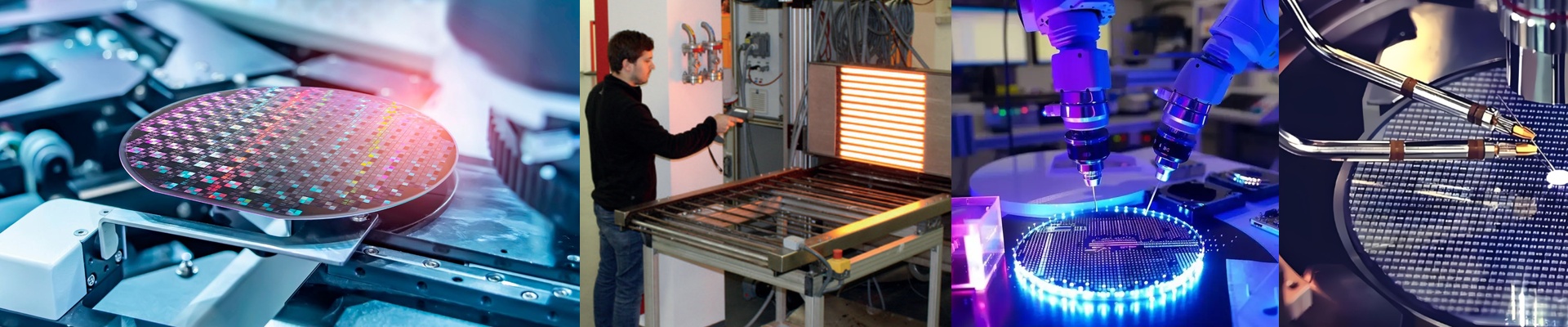
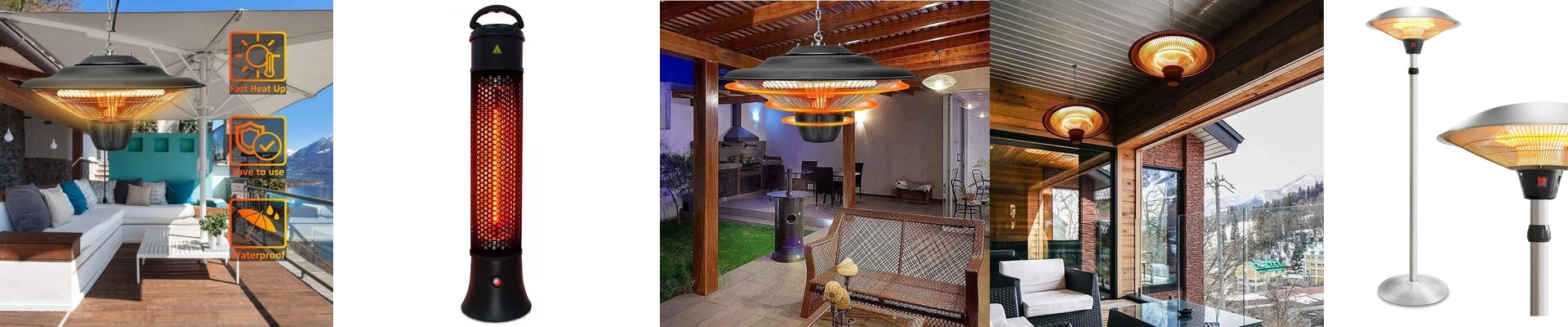
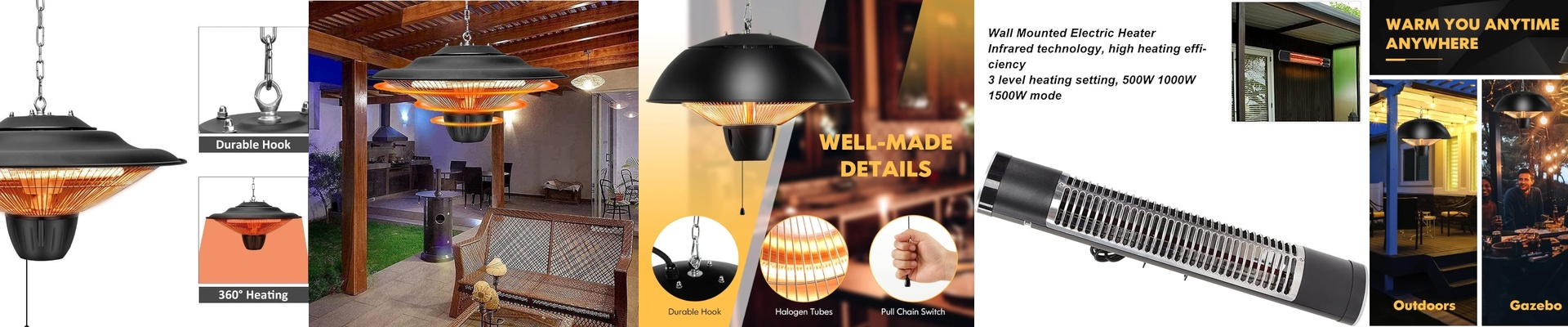
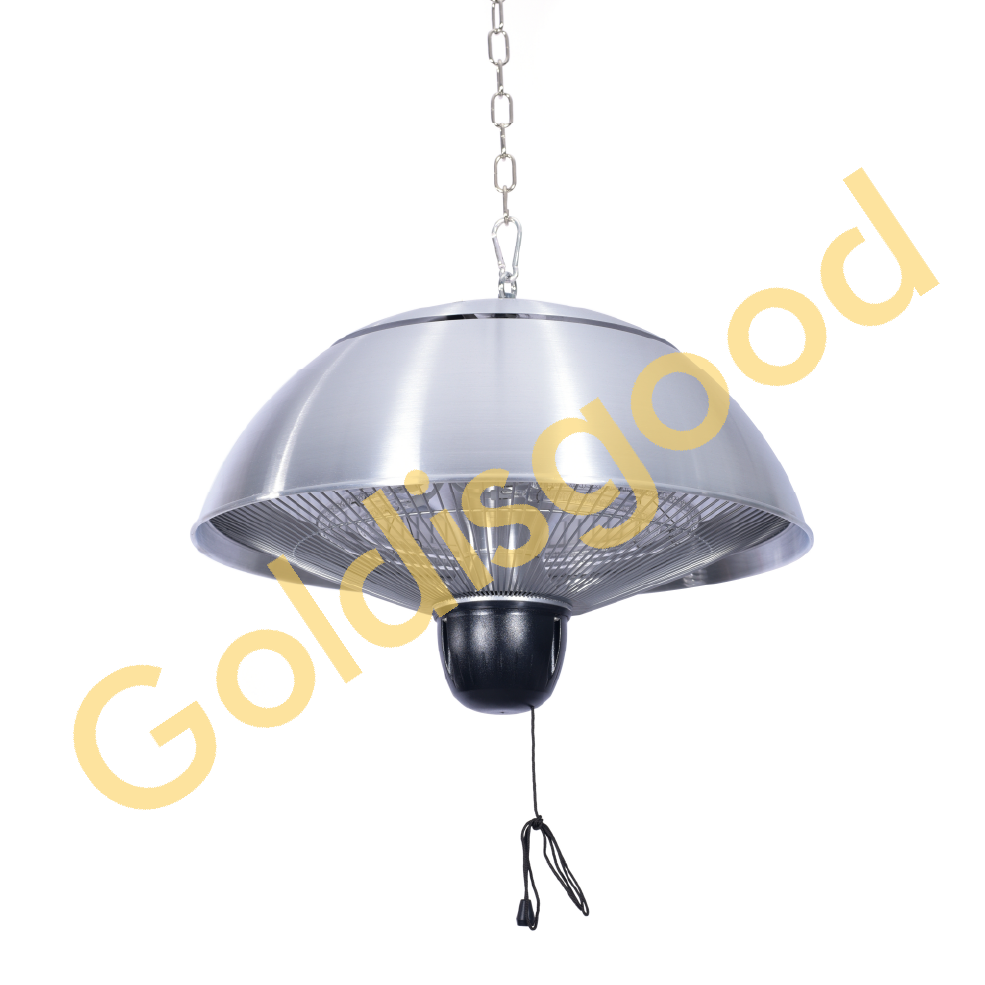
Most of us think of those bathroom heat lamps as just a way to stop from shivering when we step out of the shower. But we look at them differently. For us, these lamps aren’t just about keeping you warm—they’re actually a secret weapon against damp walls and gross mold. Here is how it actually works. Most heaters just try to warm up the air. That’s fine, but it’s slow. We use something called short-wave infrared. Instead of waiting for the air to get warm, this energy goes straight into your walls and ceiling. When those surfaces heat up, the moisture just can’t stick. It’s like how a wet sidewalk dries faster in the sun than in the shade. By keeping the surfaces warm, you stop the condensation that mold loves so much. Think about those annoying, damp corners of your bathroom where the air just feels heavy. That’s where the trouble starts. Our lamps target those cold spots. They warm up your tiles and grout, forcing the water to evaporate back into the air. From there, your vent fan just whisks it away. It’s a simple one-two punch: heat the water off the walls, then blow it out of the room. But you can’t just throw a massive, high-wattage bulb in there and call it a day. If you go overboard, you’ll end up melting your fixtures or tripping your circuit breaker. We’ve spent a lot of time finding the sweet spot—enough heat to keep things bone-dry, but not so much that you’re scorching your bathroom finishes. The best way to do this? Hook the units up to a timer or a humidity sensor. Let them run for about 15 minutes after you’re done showering. That’s usually all it takes to clear out the moisture. You don’t have to leave your loud exhaust fan running for hours, and you don’t have to worry about mold moving in. It just stays dry. Simple as that.