
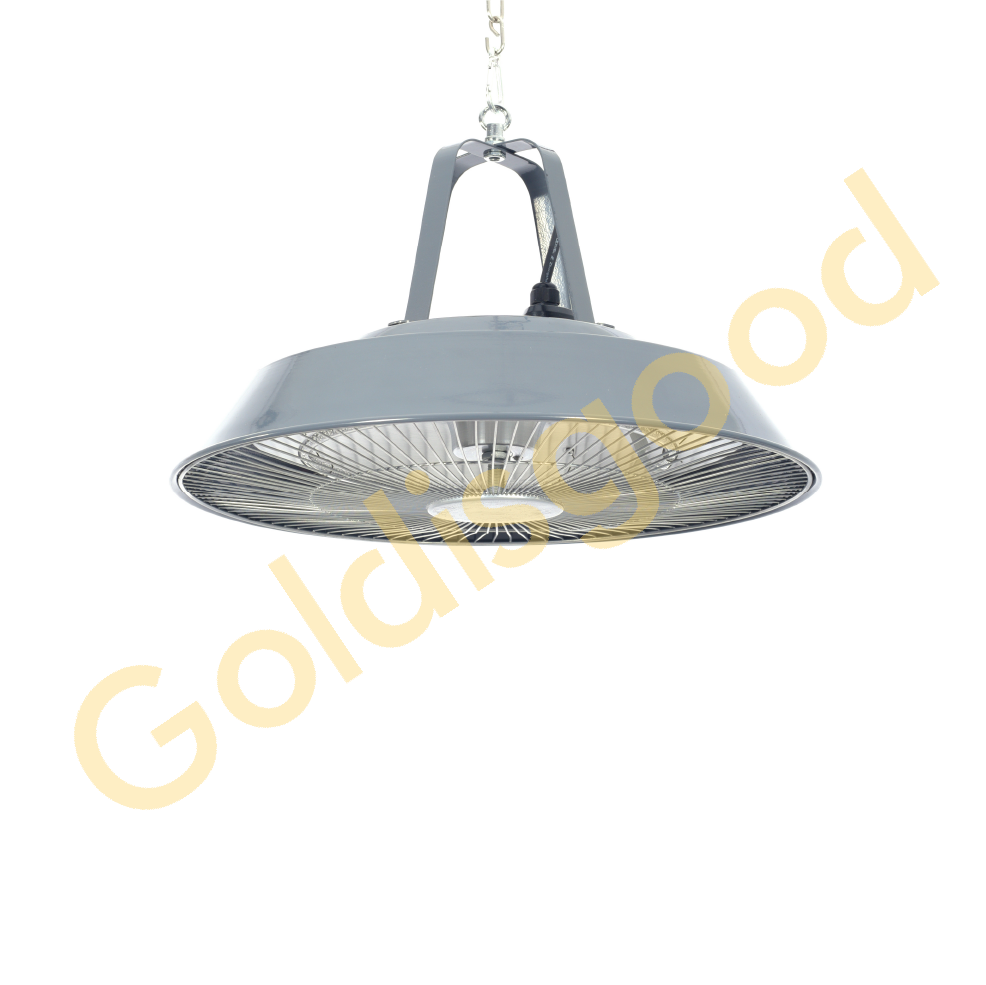
Why we put our bathroom heaters through hell (before they hit your home)
Let’s be honest: bathrooms are a nightmare for electronics. You’ve got thick steam, random water splashes, and the kind of temperature swings that would make most gadgets give up the ghost. If we just built these heaters and hoped for the best, they’d probably short out or burn through in a few weeks. Nobody wants that. The battle against moisture Here’s the thing about water vapor—it’s sneaky. It finds its way through the tiniest gaps, settling right on the electrical terminals and the quartz glass. Then, the second you flip the switch, that moisture vanishes in a burst of heat. That “flash evaporation” creates a shock to the system. Do that a thousand times, and those seals start to give way. To stop that from happening in your house, we use wet-heat aging tests. We basically lock the units in a high-humidity chamber and push them until something breaks. It lets us see exactly where the weak spots are so we can fix them before you ever buy the unit. Keeping things cool (while staying warm) We use shortwave infrared because it’s the only way to actually feel the heat the moment you step out of the shower, especially if your bathroom is drafty. It warms you up directly, rather than trying to heat all the air in the room. But that kind of heat puts a lot of stress on the internal wiring. If the insulation isn’t tough enough to handle the heat-and-humidity combo, the wires get brittle. They crack. And cracked wires lead to ground faults, which is a problem we don’t want. Our tests make sure the wiring can take a beating and keep on ticking. A quick reality check Now, I’ll be straight with you: no seal lasts forever. Our tests prove these units can handle a normal bathroom, but if you’re installing one in a full-blown steam sauna, it’s going to wear out faster. The more moisture it soaks up, the faster those connectors oxidize. It’s just physics. If you can get some basic ventilation going in your bathroom so the heater doesn’t become a condensation trap, the hardware will last a lot longer. We build them to survive the wet, but a little airflow goes a long way.