Keeping Wet Zones Warm Without the Headache
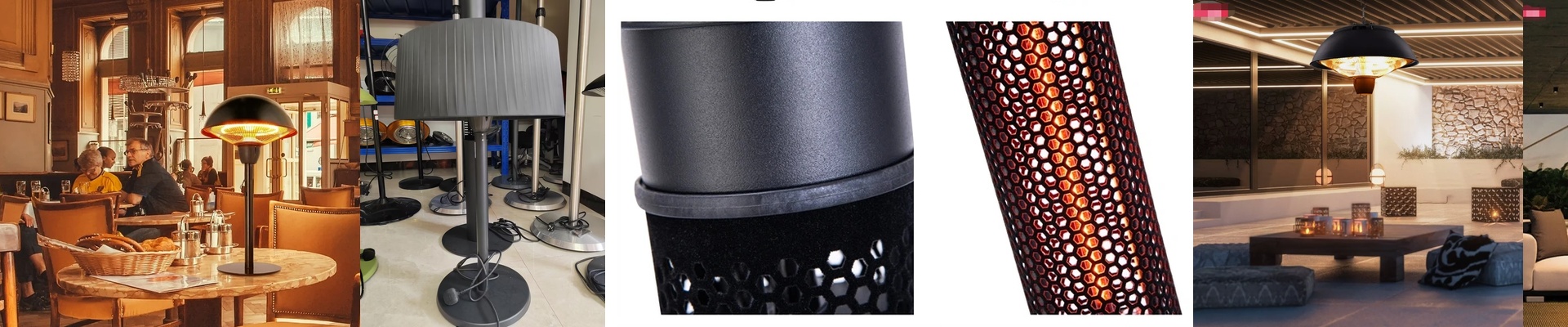
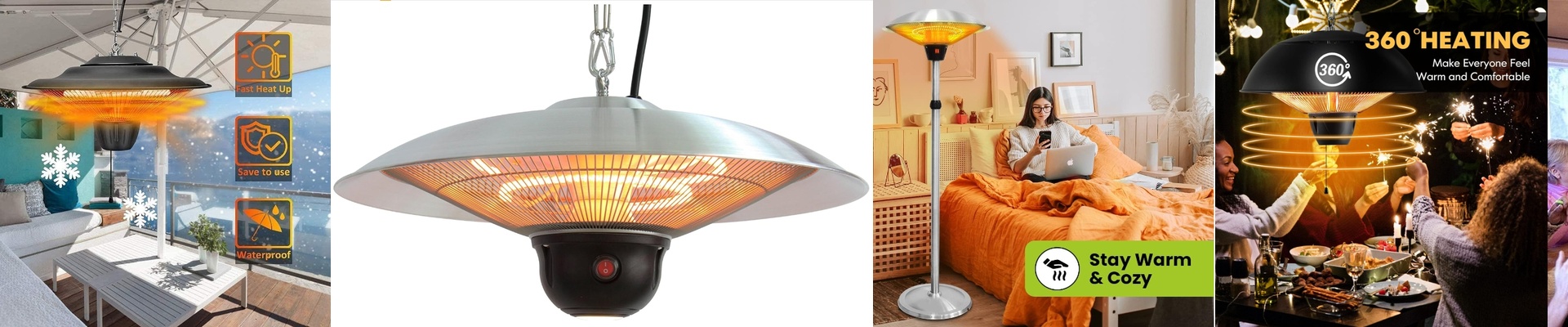
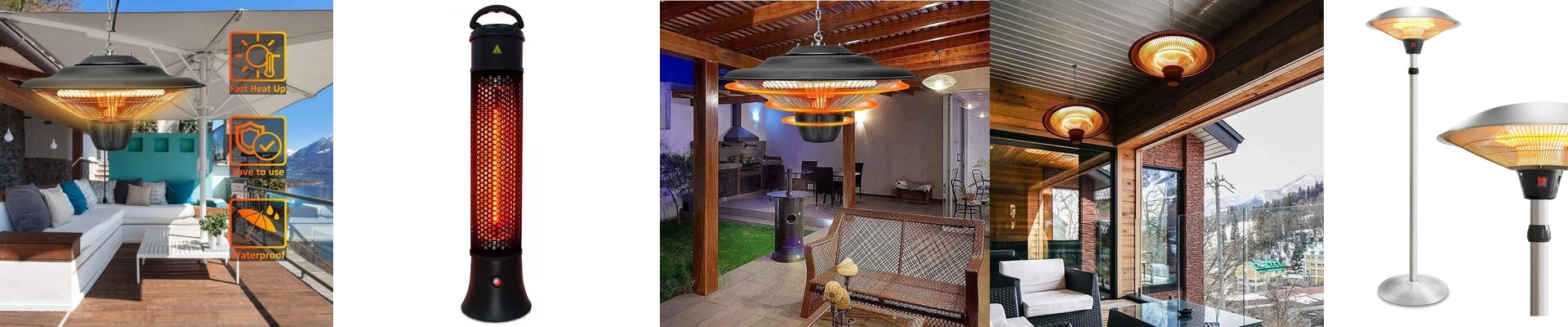
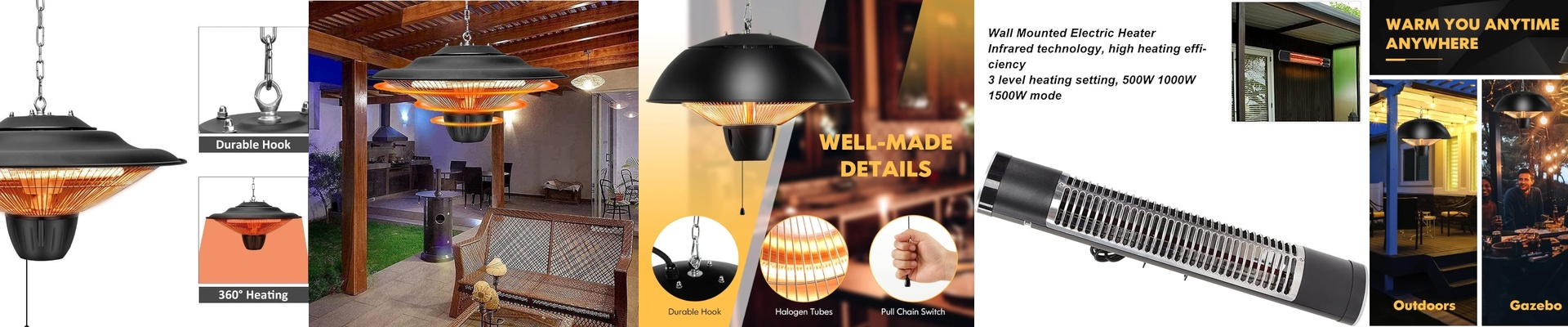
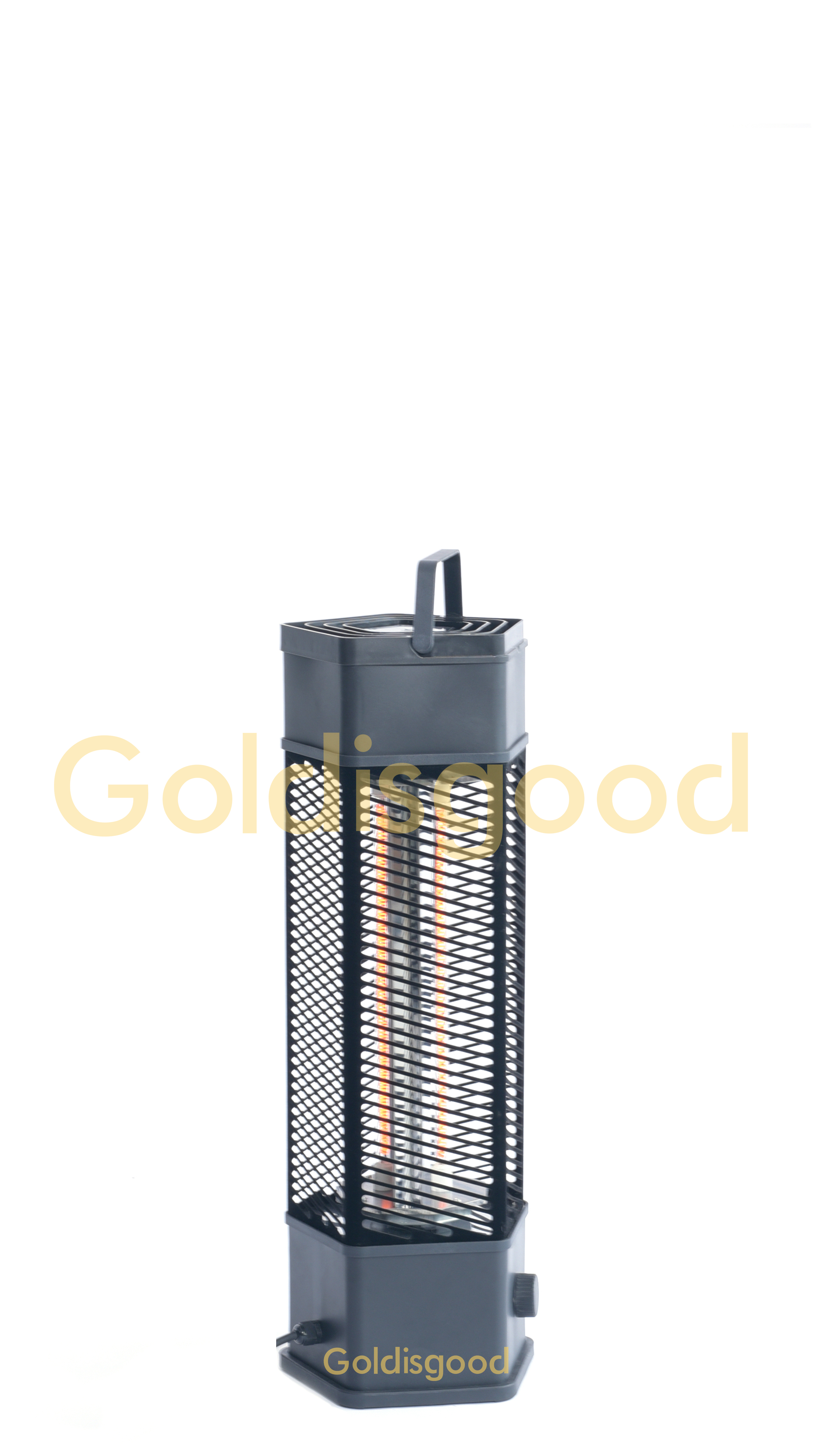
Ever tried heating a locker room or a shower area with a standard heater? It’s a nightmare. They spend forever trying to warm up the air, and the second a bunch of steam hits them, they start struggling. That’s why we stick with IP65-rated infrared heaters. Instead of fighting the air, these things beam heat straight to the person. You step into a freezing room, and suddenly you feel warm. Just like that.
Why the IP65 Label Actually Matters
If you’re dealing with steam and splashing water, you can’t just throw any heater on the wall. An IP65 rating is basically a promise that the unit is sealed tight against dust and water jets. We make sure the electrical connections and the housing are locked down. If you don’t, moisture creeps into the terminals. Then you’ve got corrosion, short circuits, and a heater that burns out way before it should. Nobody wants to be the one replacing a dead unit in a damp ceiling.
The Magic of Short-Wave Heat
We use short-wave infrared for this stuff. Think of it like sunlight. It travels in a straight line and hits your skin instantly. You don’t have to wait for the whole room to reach a certain temperature. You just feel the heat immediately. Plus, it saves a ton of energy because you aren’t paying to heat the empty space in the room—just the people in it.
A Few Things to Watch Out For
Now, these heaters pack a punch. Because the heat is so concentrated, you have to be smart about where you put them. Check your ceiling materials. If you mount a high-output unit too close to cheap paint or plastic, you’re going to see scorch marks. It’s not pretty. Just make sure the heater has a clear “line of sight” to the floor, and you’re golden.
Getting Them Running
The good news? These are pretty much drop-in replacements for your old electric heaters. The wiring is straightforward. One tip: if you’re installing a bunch of these at once, give them their own dedicated breaker. It stops those annoying trips that happen when everything kicks on at the same time.