
Why we stopped building “disposable” patio heaters
Let’s be honest: most outdoor heaters are designed to be thrown away. They’re usually built as one big, sealed hunk of metal. The second a heating element burns out—which happens eventually—the whole thing is basically trash. Why? Because the tubes are welded or glued in. You can’t fix them, so you buy a new one. It’s a waste of money and a nightmare for the planet. We decided to do things differently.
The “Plug-and-Play” approach
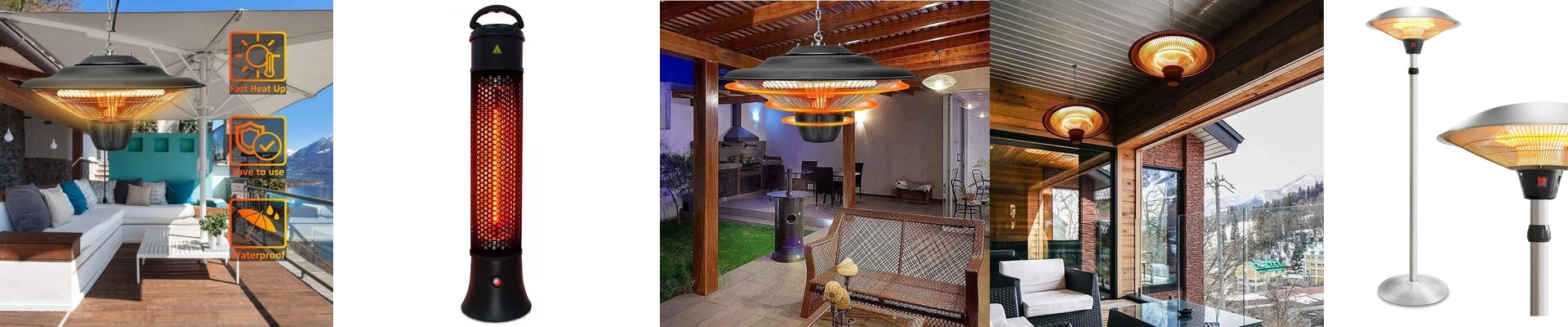
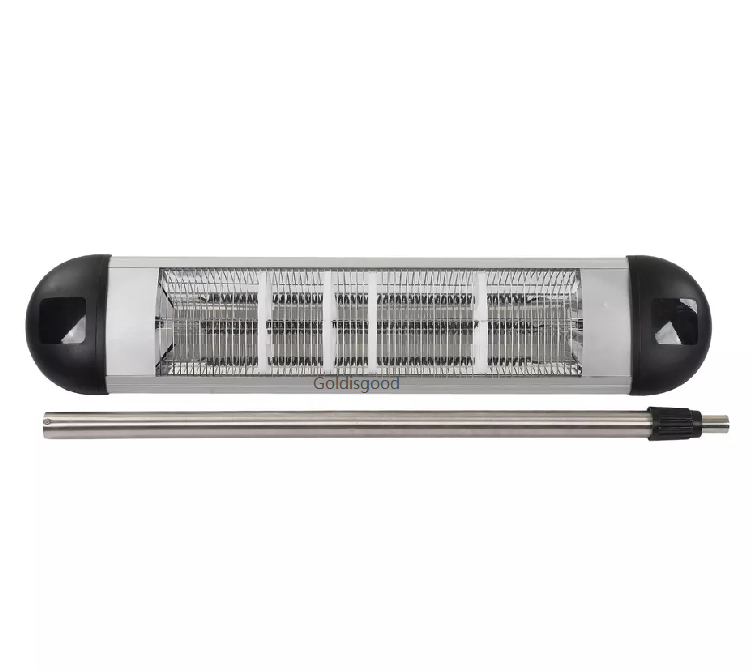
We built our infrared heaters with a modular setup. Instead of soldering everything together in a factory, we use standardized connectors. Think of it like swapping a battery in a remote. If a tube goes out five years from now, you don’t have to tear the whole housing apart or call in a specialized crew to replace the entire unit. You just pop the old tube out, slide a new one in, and you’re back in business. It turns a multi-day headache into a two-minute job.
Keeping the rain out (without locking you out)
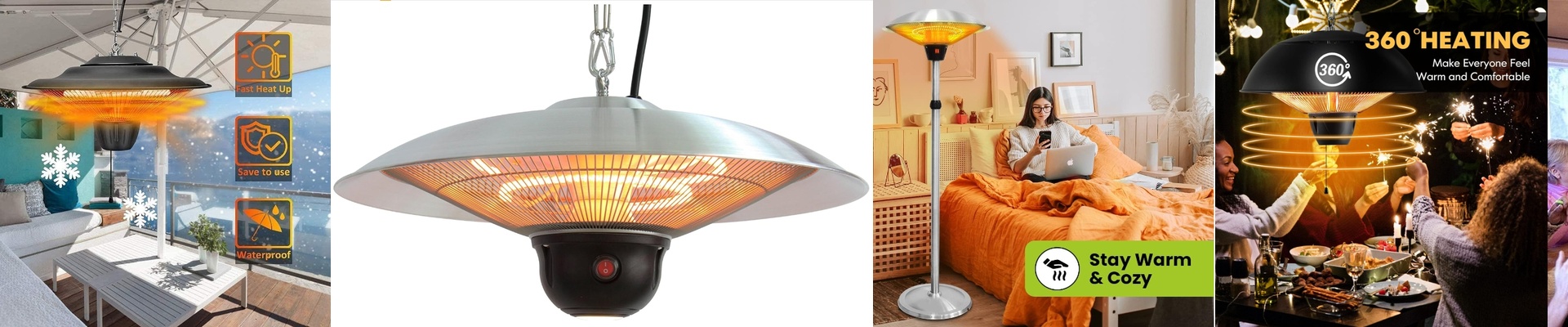
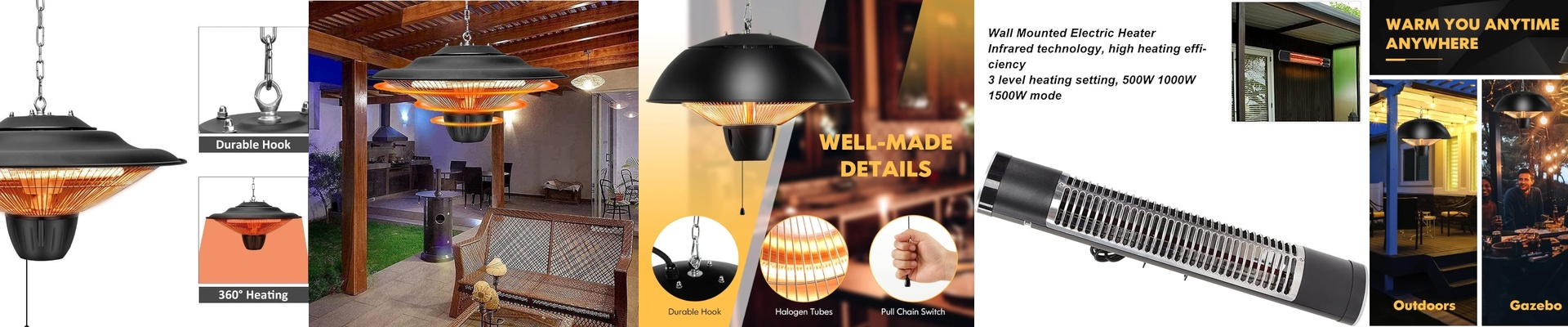
Now, making something waterproof while keeping it easy to open is a tricky balance. Usually, “waterproof” means “permanently sealed.” To get around this, we use compression gaskets and ribbed seals. It keeps the moisture away from the electronics, but it doesn’t lock the heating element in a vault. A technician can get in there, swap the part, and leave the weather-shielding perfectly intact.
The honest engineering side
I’ll be straight with you: modular systems have more joints than a single cast piece of metal. And more joints mean more places where the metal can stress as it heats up and cools down. To stop the parts from warping or loosening, we use high-temp spring clips. They keep everything tight and secure, even when the heater is cranking out maximum heat. One quick tip for your team: don’t go overboard with the wrench. If you over-tighten the mounting fasteners, you can warp the seal. Just snug it up—don’t crush it—and the waterproof rating stays solid.
The bottom line
Outdoor heaters live a hard life. They deal with salt air, humidity, and freezing winters. By making the heating element a simple drop-in part, we’ve changed the math. You aren’t looking at a massive bill to replace the whole fixture every few years. You just keep a couple of spare tubes on the shelf. It’s just a way cheaper, saner way to keep your patio warm.