
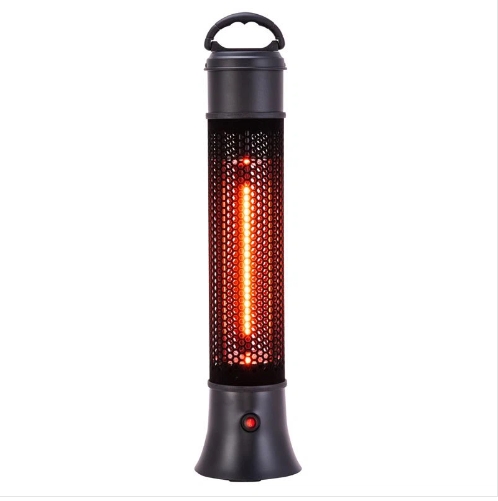
Putting Infrared Heaters in Bathrooms: What You Actually Need to Know
If you’ve ever tried to put a heater in a bathroom or a steamy locker room, you know it’s a nightmare. You aren’t just dealing with the cold; you’re fighting a constant battle against moisture. Most standard heaters just can’t hack it. They leak, they short out, or the tubes simply pop.
Why “Explosion-Proof” Glass Matters
Here is the thing about quartz: it’s temperamental. If a tiny drop of cold water hits a tube that’s sitting at 600°C, it doesn’t just crack. It shatters. That’s why we use specialized explosion-proof quartz. It’s built to handle those wild temperature swings without giving up the ghost. Then there’s the IP66 rating. In plain English? It means the housing is tight enough to keep out dust and can take a direct hit from a powerful water jet. It keeps the electrical guts dry. And if a bit of moisture does sneak past the housing, that explosion-proof glass acts as the final wall, keeping the halogen filament safe and sound.
The Trade-off with High Heat
We use shortwave infrared because it doesn’t waste time heating up the air in the room. Instead, it hits your skin directly. It’s fast. Really fast. Which is exactly what you want when you’re stepping out of a shower. But there’s a catch. Because these lamps put out so much intense heat, the brackets holding them have to be heavy-duty. If you try to save a few bucks with cheap aluminum housing, the heat will eventually warp the metal and melt your seals. Once those seals go, your IP66 protection is gone, and you’re back to square one.
Keeping Things Running
We made these easy to swap out. They use standard connectors, so you aren’t fighting with the wiring during a replacement. Just one tip:**be obsessive about the gaskets.**If you pinch a seal during installation, you’ve basically invited water inside. These units take a beating in humid air. To make sure yours lasts, give the terminal connections a quick look every six months. If you see corrosion or oxidation, clean it off. That gunk creates resistance, which leads to overheating, and that’s usually how a perfectly good lamp burns out way too early.