
Stop Overpaying to Heat Your Bathroom
Ever stepped out of a shower into a bathroom that felt like a walk-in freezer? It’s the worst. You want that instant warmth, but here’s the trick: you don’t actually need the biggest, most powerful heater on the shelf to get it. In fact, going too big can actually mess things up.
Finding the Right Power
Think of it like this. If you’ve got a tiny powder room (anything under 4m²), a 400W to 600W heater is plenty. If you shove a massive 1200W unit in there, the room hits the target temperature in seconds. The thermostat kicks off, then kicks back on, then off again. We call this “short-cycling.” It’s basically just stressing out the hardware for no reason, and it’ll wear out your relays way faster than they should. For the bigger bathrooms—say 6m² to 10m²—you’ll want to jump up to 800W or 1200W. Why? Because tiles and glass are heat sponges. They soak up the warmth and bleed it out, so you need a bit more muscle to keep the room feeling cozy.
Why Shortwave IR and IP65 Actually Matter
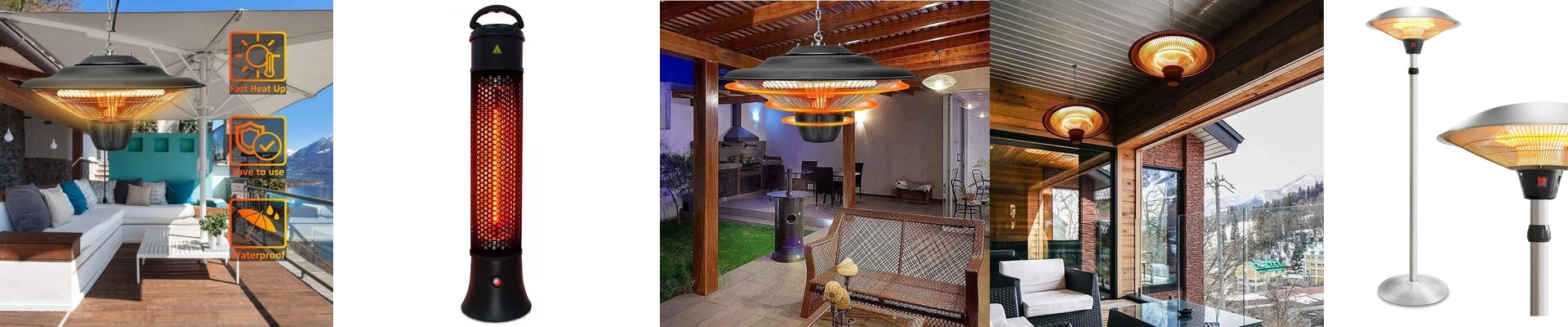
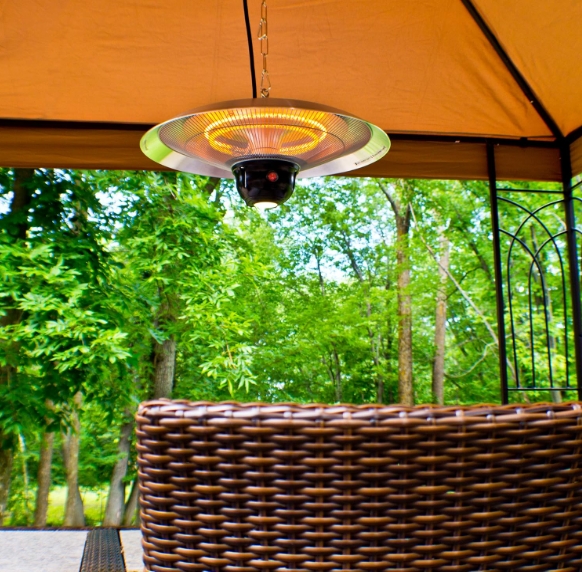
We use shortwave infrared because it doesn’t bother trying to heat the air (which just floats away). Instead, it hits you—and your floor—directly. It’s that “instant sun” feeling the moment you flip the switch. But since we’re talking about bathrooms, water is the enemy. That’s where the IP65 rating comes in. It’s just a fancy way of saying the heater is sealed tight. Steam and splashes stay out, and the electronics stay dry. Non-negotiable.
The Catch: Power vs. Lifespan
It’s tempting to just go for the max wattage to get the room hot as fast as possible. But there’s a trade-off. Pushing 1500W through a small housing makes the internal wiring run hot. If you decide to go for the heavy-duty stuff, just make sure your wiring is thick enough to handle the load. Otherwise, you’re looking at voltage drops or, worse, overheating at the terminals. Keep it simple. Match the wattage to the size of your room. Your electricity bill will thank you, and your heater will actually last.