Making Your Outdoor Space Cozy (Without the Headache)
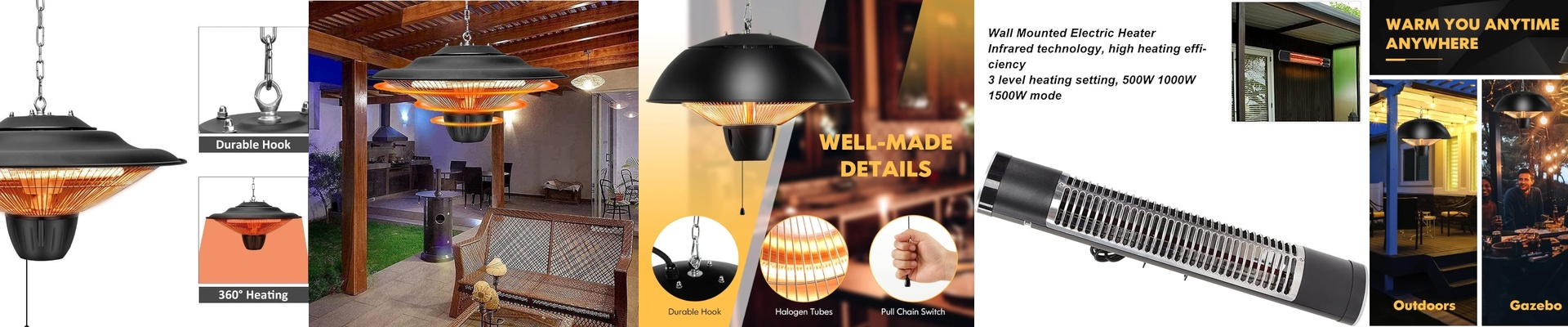
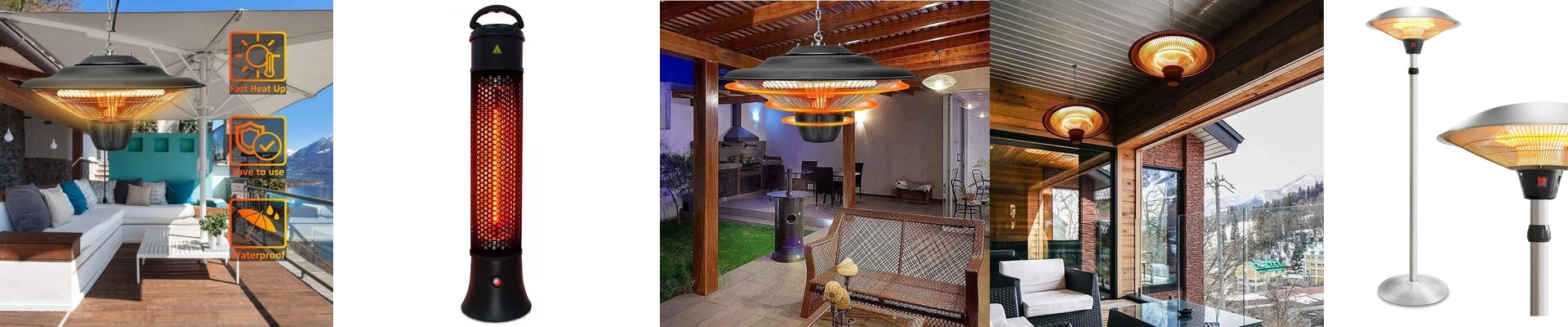
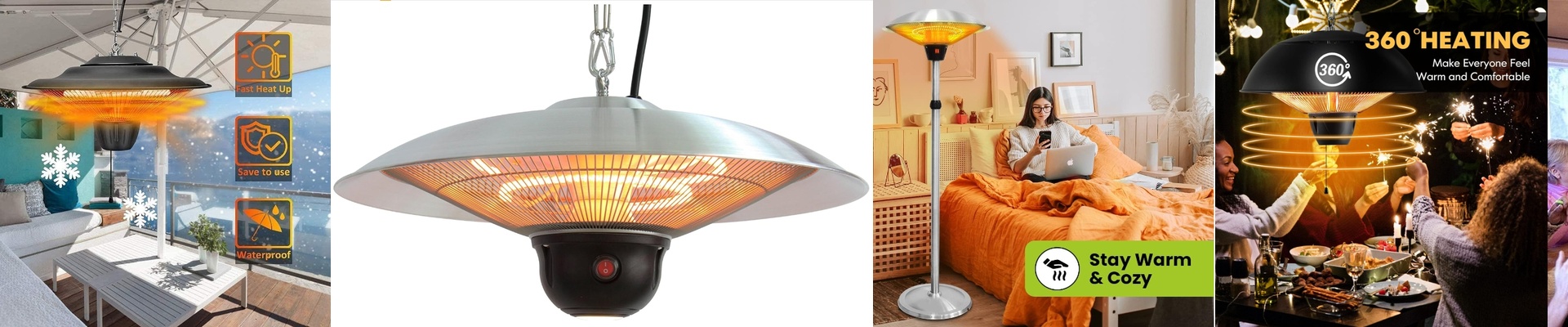
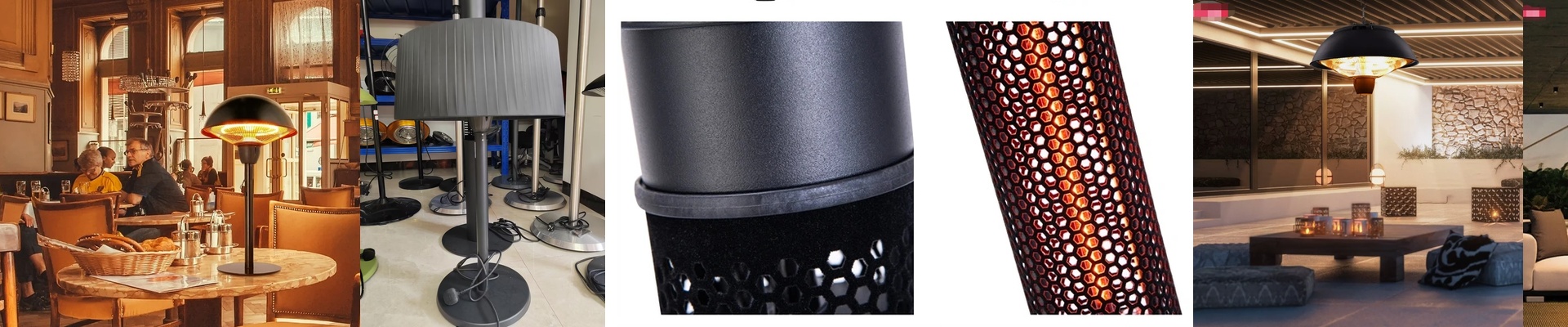
If you’ve ever tried to heat a patio with a standard space heater, you know the struggle. You’re basically trying to heat the entire neighborhood because the wind just carries the warmth away. That’s why we use infrared. Instead of trying to warm up the air, it goes straight for the people and the furniture. It’s like stepping into a patch of sunlight on a chilly day. But since this is happening outside, you can’t just use any heater. You need something sealed tight—waterproof and rugged—so a bit of rain doesn’t turn your fancy setup into a short circuit. Heat, right now. The best part about infrared is the speed. There’s no waiting around for an oil radiator to slowly get warm. It uses a tungsten filament or a ceramic plate that hits its peak almost the second you flip the switch. When you trigger it from your phone or a smart hub, the relay clicks, the power hits the element, and you’re warm. Just like that. No lag, no shivering while you wait. Getting it to play nice with your home Making these heaters “smart” is where it gets fun. By wiring them into a Zigbee, Matter, or Wi-Fi controller, you stop treating the heater like a dumb appliance. You can just tell your voice assistant to turn it on, or better yet, let the house handle it. I love linking mine to an outdoor temperature sensor. If the porch drops below 10°C, the heat kicks in on its own. You don’t even have to think about it; you just walk outside and it’s already comfortable. A few things to watch out for It’s not all plug-and-play, though. Waterproofing is a bit of a balancing act. Those heavy-duty seals that keep the rain out can also trap heat inside the electronics. You have to make sure the housing is designed right, or you’ll end up baking the internal circuits while you’re trying to warm your toes. Also, a quick heads-up on the power side: these units pull a lot of juice. If you’re installing a few high-wattage heaters, double-check your circuit breakers. You don’t want to be sitting in the dark because your heater tripped the main panel the moment it turned on.