
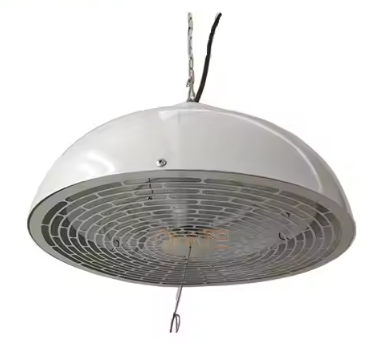
Why Your Bathroom Heater Keeps Dying (and What Actually Works)
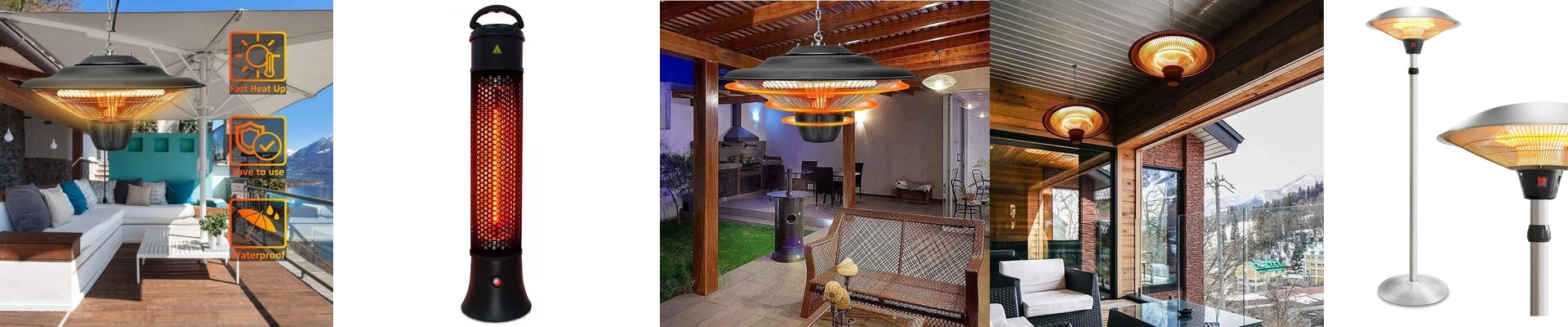
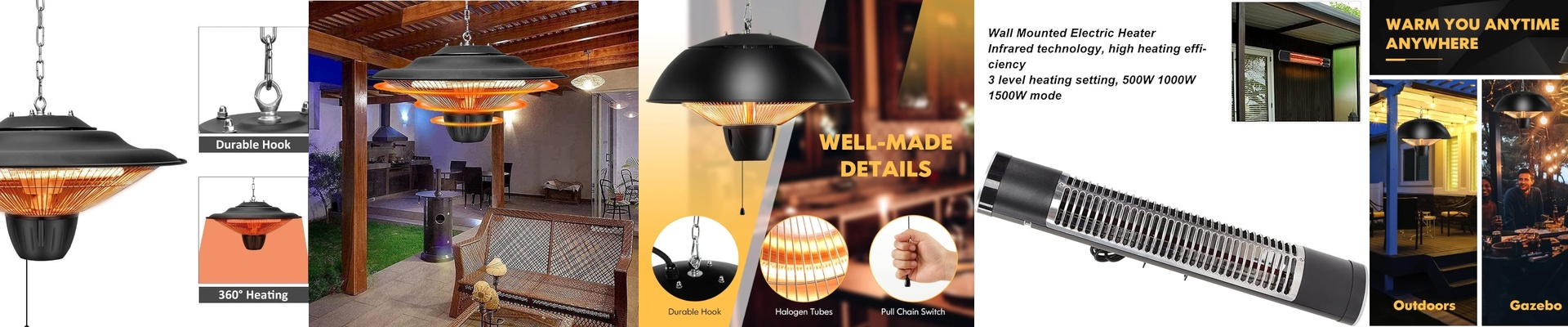
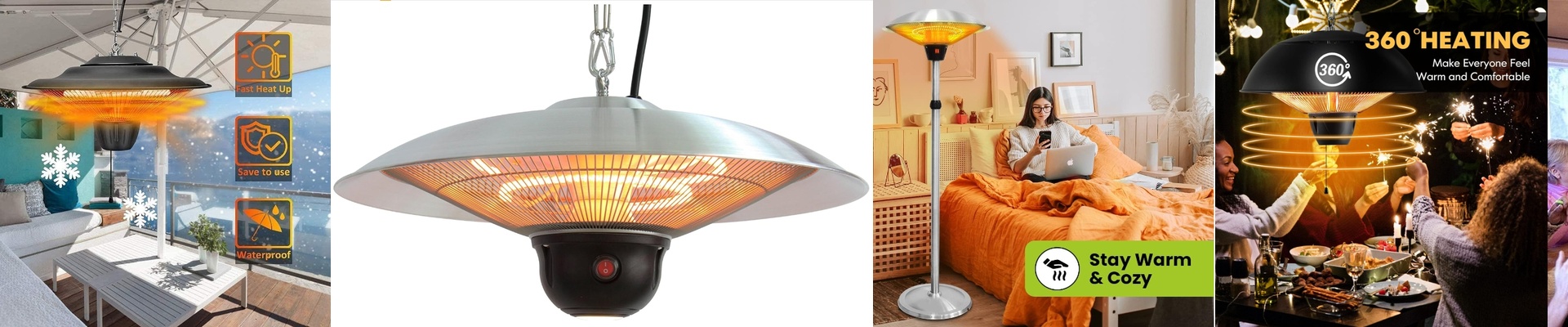
Ever notice how those old-school halogen “lamp heaters” always seem to quit right when you need them most? It’s usually because bathrooms are brutal on electronics. All that steam and moisture finds a way inside the housing, shorts things out, or just burns the filament out way too early. That’s why we’re moving toward high-standard waterproof infrared units. They just handle the humidity better. The deal with IP ratings You’ll see “IP ratings” tossed around a lot. In plain English? It’s all about the seals. Traditional heaters usually have tiny gaps in the frame. Steam drifts in, turns back into water, and starts eating away at the internal boards. Not great. High-IP units use gaskets and sealed cable entries to lock the moisture out. It keeps the electricity where it belongs and the water where it should be. Why infrared feels different Most heaters try to warm up the air. But if you’ve got a room full of cold tiles, that air cools down the second it touches the floor. It’s a losing battle. Infrared is different. Instead of fighting the air, it sends out waves that heat you and the surfaces around you directly. You aren’t wasting power heating the ceiling; you’re actually feeling the warmth on your skin. We use quartz or carbon emitters to make them heat up fast. Really fast. The only catch is that these things get hot. We have to use specific guards so the unit doesn’t warp or leave a weird scorched mark on your ceiling paint. Getting it installed If you’re swapping one of these into a modern bathroom, you’ll notice they’re usually much smaller than those clunky old bulkheads. It looks a lot cleaner. Just a heads-up for the wiring: make sure your circuit breaker can handle the initial surge when the infrared kicks in. If the wiring is under-specced, you’ll be tripping the breaker every time you want a warm shower. As long as your voltage matches the specs, these are pretty much a drop-in replacement for the old stuff. Simple.