
Don’t Let a Leaky Lamp Kill Your Bio-Sensor Batch
When you’re building bio-sensors, your thermal profiles have to be spot on. There’s no room for “close enough.” But here’s the scary part: if you’re using infrared lamps and just one of them has an electrical leak, you aren’t just looking at a broken bulb. You’re looking at a ruined batch of sensors or a fried control board. That’s a nightmare nobody wants. To stop that from happening, we don’t do “random sampling.” We don’t just test a few tubes and hope for the best. Every single lamp that leaves our shop goes through 100% voltage withstand and insulation resistance testing. Every. Single. One.
How we actually test them
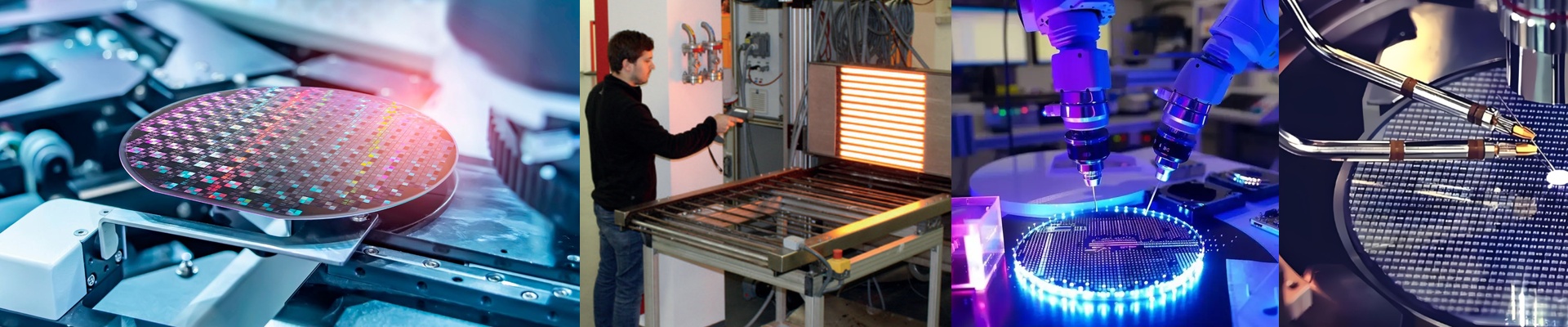
We put every lamp through a “HiPot” test. Basically, we crank the voltage way higher than what the lamp will ever see during normal use. We push it into the heating element and the housing to see if any current leaks out. If the insulation flinches? The tube is scrapped. Period. This is the only way to be sure the quartz envelope is perfect and the seals are airtight. It means when the lamp arrives at your door, it’s electrically isolated and ready to work.
Why this matters for your gear
Bio-sensor equipment is finicky. You’re often dealing with sensitive environments where even a tiny bit of electromagnetic interference or a stray current can create “noise” in your signal. A microscopic crack in the quartz or a sloppy seal can let current leak right into your machine frame. By hammering away at the dielectric strength during testing, we kill those ground faults before they ever reach your floor. It keeps your gear safe and your sensors clean.
A quick heads-up on your wiring
Now, because we test so strictly, we can push higher watt densities. But you’ve got to be careful with your own setup. Here’s the thing: high-output IR lamps gethot. Really hot. Over time, that heat can eat through your cable insulation. Don’t just spec your wiring based on the electrical load. You have to account for the heat. If your cables aren’t rated for the ambient temperature near the tube, it doesn’t matter how perfect our lamp insulation is—your wires will just burn out. We’ll give you all the test data so you can wire everything up with total peace of mind. Your equipment stays grounded, the heating element stays isolated, and you can actually sleep at night.