



Keeping Your Class 100 Cleanroom Actually Clean
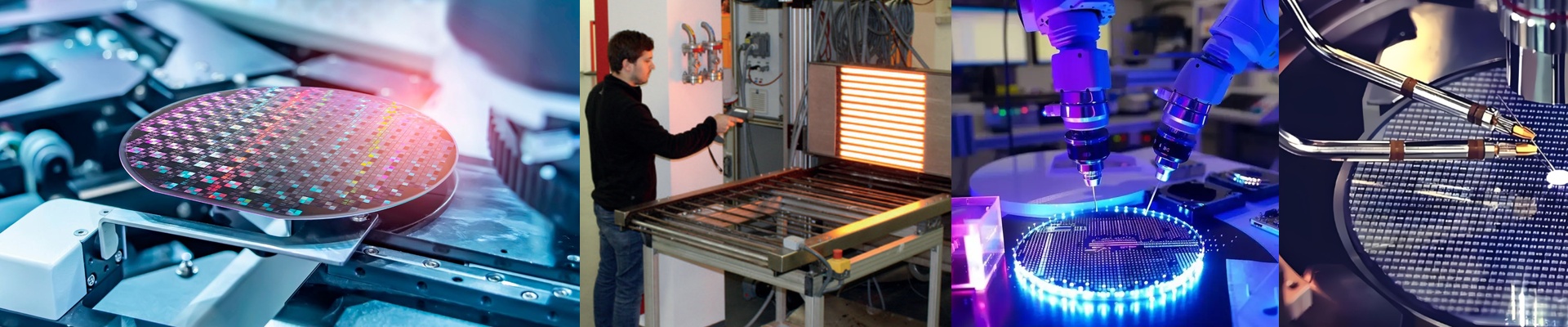
If you’re running a Class 100 (ISO 5) cleanroom, you already know the nightmare of particle shedding. One tiny flake from a heating element and your whole batch is trash. Standard coils and open-wire heaters are just too messy—they off-gas and flake off bits of material right when you can least afford it. That’s why we stick with high-purity quartz infrared lamps and gold-coated reflectors. It just works.
Why Quartz and Gold?
We use synthetic high-purity quartz for the envelope because it doesn’t outgas. Period. Even when you’re putting it through a brutal cycle of heating and cooling, it stays stable. Then there’s the gold. We use a gold reflector because it bounces infrared radiation way better than aluminum does. It pushes all that energy forward toward your workpiece instead of letting it soak into your machine chassis. It keeps the surrounding gear cool and the heat exactly where it belongs.
Fitting it into Your Setup
Space is usually tight in these environments. Because the gold reflector concentrates the IR energy into a narrow beam, you have some breathing room. You can move the heat source further away from your part if you can’t risk direct contact, and you’ll still hit your target temperature. We also use high-temp seals. You don’t want halogen gases leaking into your cleanroom air—that’s a headache nobody needs.
The Real-World Stuff
These are great for fast ramp-ups. Since quartz reacts almost instantly to power changes, you get much tighter control over your temperature than you ever would with a ceramic heater. It’s snappy. But, a word of warning:gold is picky. Fingerprints and skin oils are the enemy here. One smudge on that reflector creates a hot spot and kills your efficiency. You have to be disciplined—lint-free gloves are a must during installation. Also, check your cooling fans. If they aren’t built to handle the reflected heat at the back of the assembly, you’re going to keep tripping your thermal overrides. Just make sure your airflow is dialed in before you flip the switch.