
Making Your Bathroom Warm (Without the Wait)
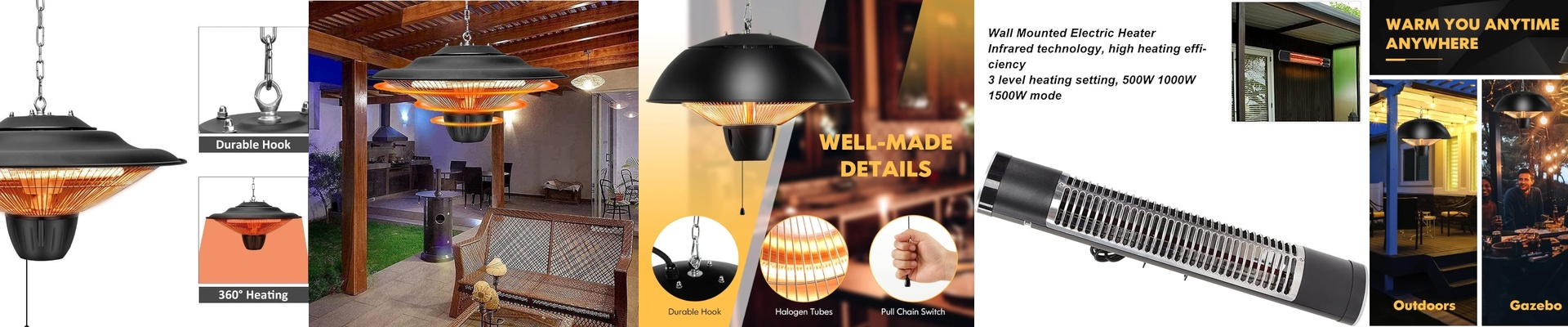
Ever stepped into a freezing bathroom in the middle of January? It’s the worst. You’re shivering, the tiles feel like ice, and by the time a standard heater actually warms up the air, you’ve already finished your shower and you’re freezing all over again. That’s where infrared wall heaters come in. Instead of trying to heat the entire room—which takes forever—these things beam heat directly onto you. It’s like stepping into a patch of sunlight on a spring day. You feel it the second you turn it on.
Making it “Smart”
The real magic happens when you stop flipping a manual switch and let your house do the work. I like to wire these into a smart home setup using a simple relay or a smart switch. The goal is pretty simple: no more waiting. You can set up a “Pre-heat” scene on your phone or just tell your voice assistant to get the bathroom ready while you’re still waking up in bed. By the time you walk through the door, the room is already cozy. Since infrared elements heat up in seconds, it’s basically instant.
The Nerdy Stuff (But Simple)
Most of these units use short-wave infrared, which is just a fancy way of saying they don’t have a lot of “bulk” to heat up. They just snap to full power immediately. If you’re setting this up, I’d suggest using Zigbee or Matter controllers. Why? Because bathroom tiles and moisture barriers can be a nightmare for Wi-Fi signals. These controllers tend to be much more reliable when you’re dealing with thick walls. One quick tip: check your circuit breakers. These heaters can pull a big spike of power the very millisecond they kick on. If you use a cheap relay that can’t handle that initial surge, you’ll be tripping your breaker every time you try to get warm.
A Few Things to Keep in Mind
Now, physics still applies here. Infrared is “line-of-sight.” If you hide the heater behind a shower curtain or tuck it in a corner where it can’t “see” you, you’re going to lose that instant warmth. You’ve got to place it where the heat can actually hit you. And because these things getreallyhot at the surface, don’t rely solely on an app to keep things safe. Always install a hard-wired thermal cutout. That way, if something accidentally blocks the heater, the power cuts off automatically—no matter what your smartphone says.