
Why we’re ditching the big ovens for IR curing
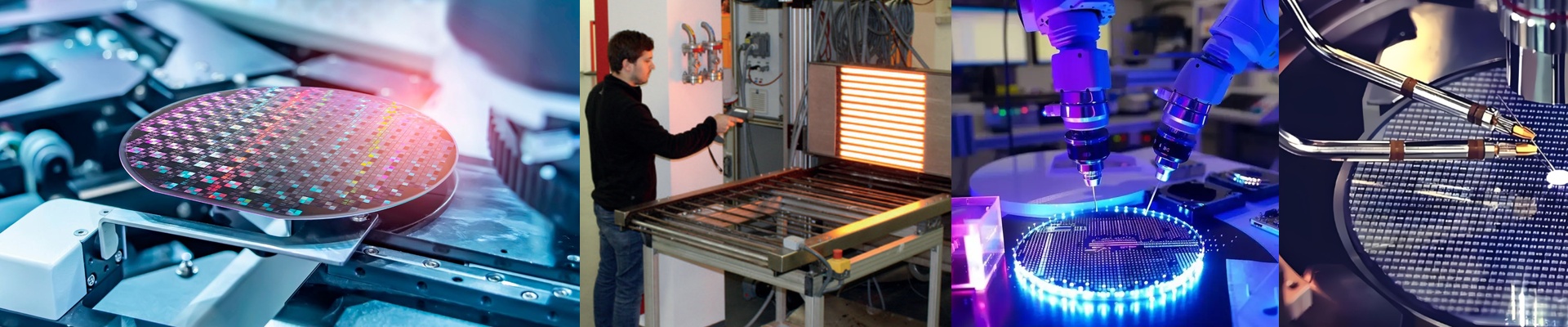
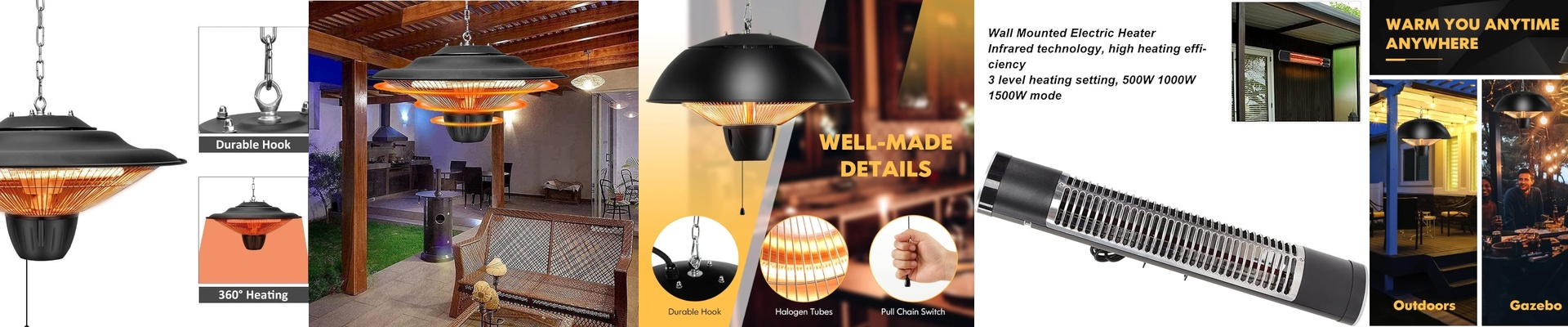
Let’s be honest: those old-school convection ovens are a bit of a nightmare. They’re bulky, they’re slow, and they rely on a lot of chemicals to get the job done. Between the “green” mandates and the push for lead-free parts, the old way of doing things just doesn’t cut it anymore. That’s why more fab shops are moving toward infrared (IR) curing lamps. Here’s the thing: with a traditional oven, you’re basically heating up a giant metal box and all the air inside it just to get your part warm. It’s a waste. IR is different. It uses electromagnetic radiation to hit the substrate directly. You aren’t heating the room; you’re heating the work. It’s a massive win for your power bill. Since we can use short-wave or medium-wave emitters to target the resin specifically, we stop wasting kilowatts on empty space. Your drying line gets smaller, your ramp-up times get faster, and you stop paying to heat the atmosphere. And if you’re dealing with lead-free soldering, you know how picky those thermal profiles are. One wrong move and you’ve warped a wafer or missed the liquidus temperature entirely. IR lamps are “instant-on.” You can tweak the power in real-time to hit your exact temperature. No more “over-baking” because the oven took too long to cool down. It’s just… precise. But look, I won’t tell you it’s a magic fix. There’s a trade-off. IR is intense. If your conveyor belt is moving too slow or your wattage is cranked too high, you’ll burn right through your photoresist. It happens. You have to get your cooling fans and shielding dialed in to keep the lamp housing from overheating. It takes a bit of tuning, but it’s worth the effort. Plus, switching to IR means you can toss out a lot of those nasty solvent-based drying agents. It’s cleaner, it’s better for the planet, and it makes the environmental compliance paperwork a whole lot easier for the engineers. It’s a simple swap that just makes sense.