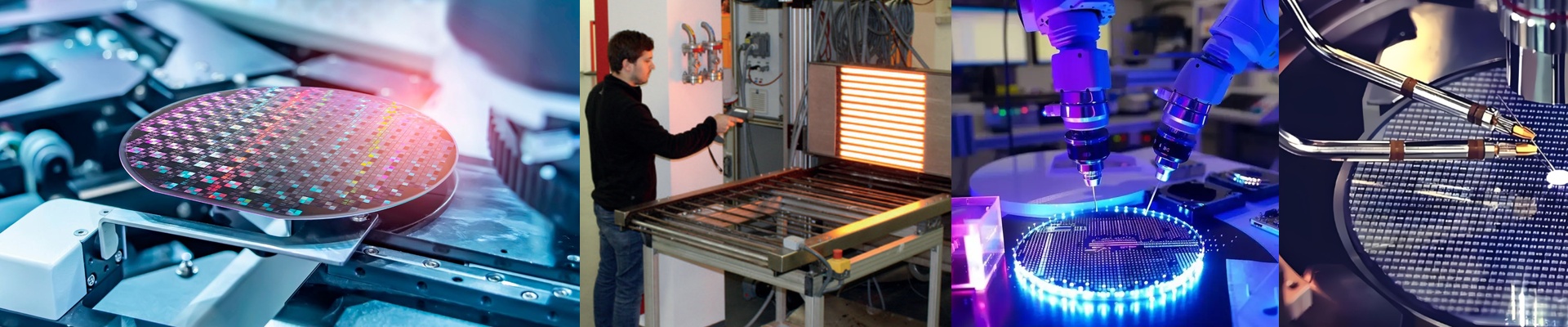




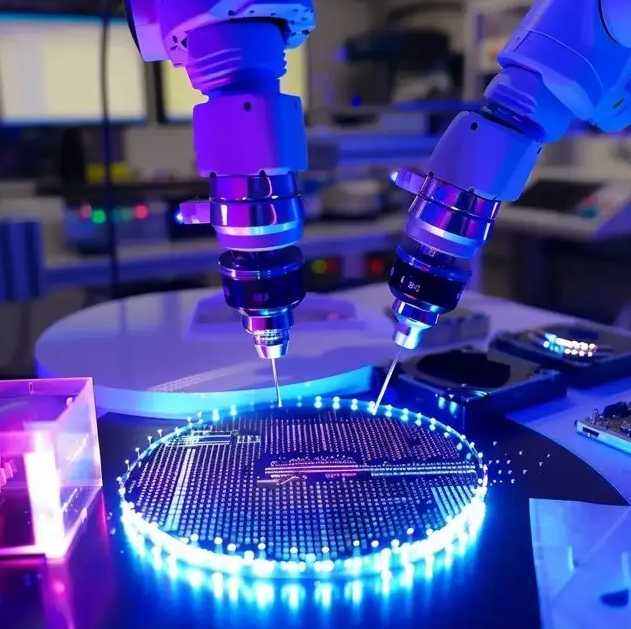
Ditching Ozone in Semi-Fab Heating
Making semiconductors is all about getting the heat exactly right. But for a long time, we’ve had a annoying problem: traditional heating methods tend to leak energy and pump out ozone. To deal with that, factories have to run these massive, power-hungry scrubbing systems just to keep the air safe. We found a better way. By using infrared (IR) lamps that avoid the 185nm wavelength, we stop oxygen molecules from breaking apart. In plain English?**No ozone.**We kill the problem at the source instead of trying to clean it up later.
Saving Power (and Your Sanity)
If you’re trying to hit “Green Factory” goals, it all comes down to how many kilowatt-hours you’re burning per wafer. Here’s the thing about our IR systems: they use direct radiant heat. You aren’t wasting energy heating up all the air in the chamber; you’re just hitting the substrate. It’s a world away from those old convection ovens that bleed heat everywhere. Plus, these lamps hit their target temp in seconds. No more sitting around waiting for long warm-up cycles while the meter keeps running.
The Reality Check
Now, this isn’t some magic wand. High-intensity IR puts out a lot of concentrated heat. If you’re setting up a system for a super-fast ramp-up, you’ve got to make sure your cooling manifolds can actually handle it. Otherwise, you’ll end up overheating the rest of the tool chassis. We usually suggest pairing these with PID controllers. It keeps the power in check and stops the temperature from overshooting the mark.
A Breath of Fresh Air in the Cleanroom
The best part happens in the HVAC. When you stop producing ozone, you don’t have to blast the ventilation just to clear out toxic gas. Your air handling units can finally take a break. Less fan power means a smaller carbon footprint. For the engineers on the floor, it’s a simple swap. You get a cleaner process flow without having to bolt complex chemical scrubbers onto your line. It just works.