
Getting Temperature Right in Bio-Sensor Fabrication
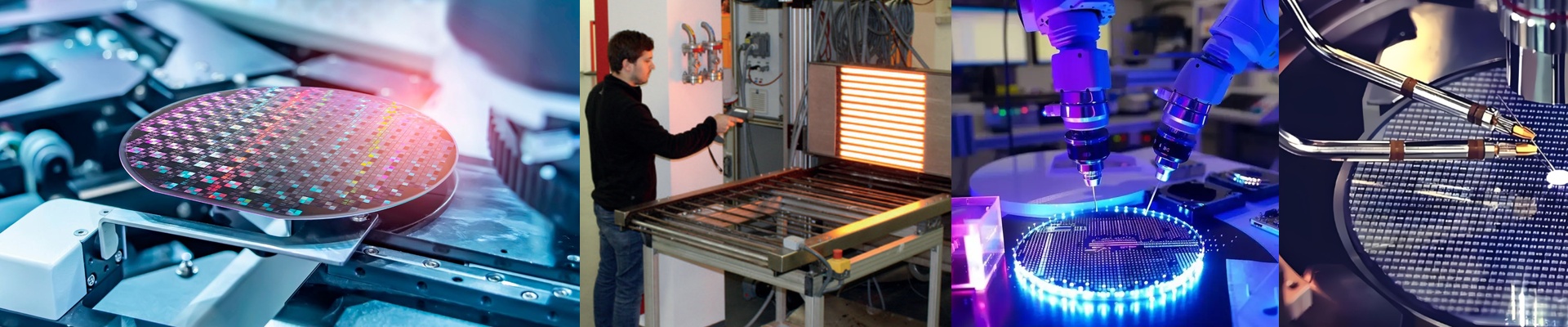
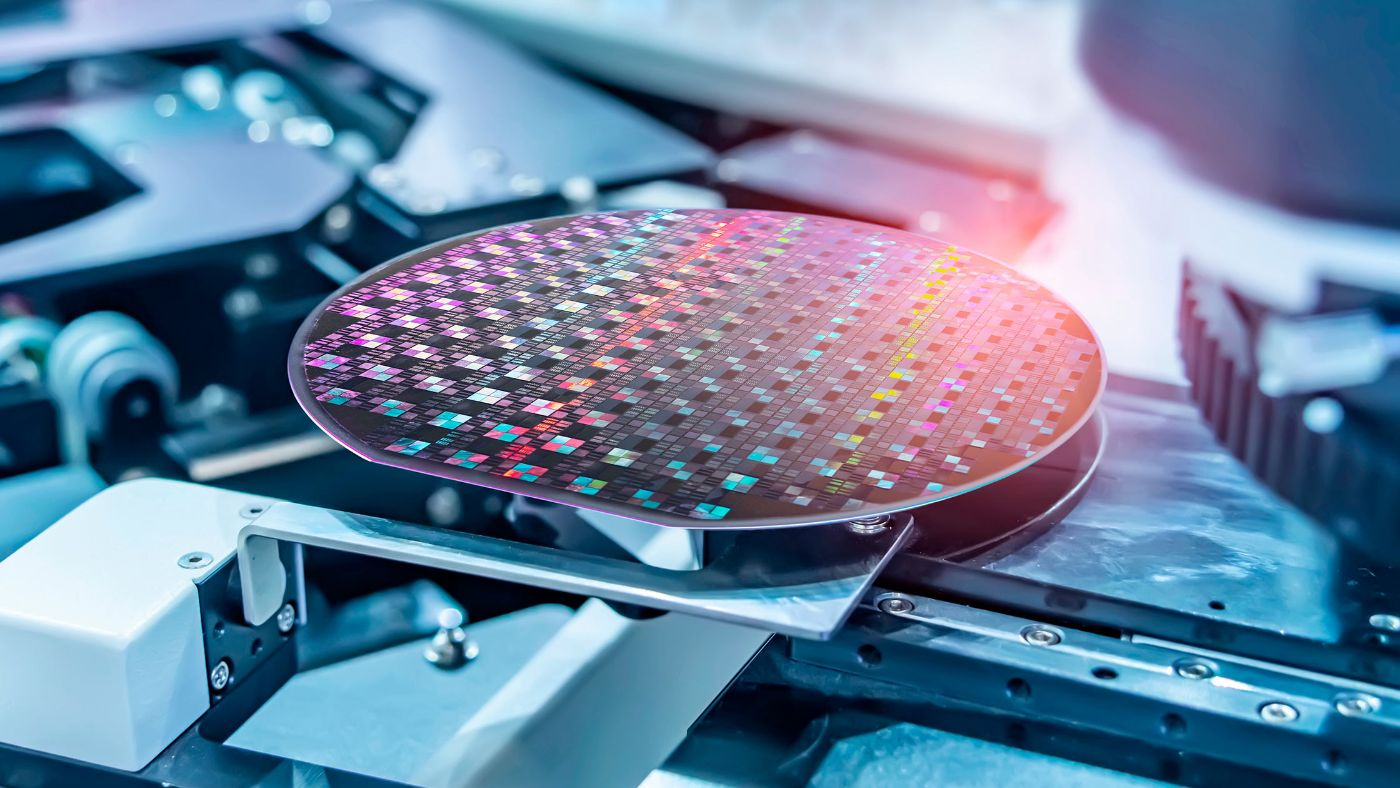
If you’ve ever worked with bio-sensors, you know how finicky they are. One wrong move with the heat and your substrate warps or your chemicals just give up. It’s a nightmare. That’s why we’re ditching those old-school convection ovens. They’re too slow and too blunt. Instead, we’re moving toward infrared (IR) systems. The beauty of IR is that it hits the target material directly. You aren’t wasting time heating up the entire room just to warm up a tiny wafer.
Why IR Actually Works
In a modern fab, guessing is the enemy. You need hard data. When you put IR lamps in the mix, you can tie the power input directly to surface sensors. It creates a loop. Instead of staring at a timer and hoping for the best, you can actually see the thermal energy the wafer is absorbing in real-time. It takes the guesswork out of the equation. Depending on what you’re building, we use short-wave or medium-wave IR. Short-wave is the fast lane. It hits the surface instantly, which is a lifesaver for thin-film deposition. If you ramp up too slowly there, you’ll kill the sensor’s sensitivity before you’ve even finished the batch.
The Hardware Headache
Now, you can’t just toss a high-wattage lamp into a rig and call it a day. These things put off a ton of waste heat. If your cooling system isn’t beefy enough to pull that heat away from the housing, you’ll deal with thermal drift. And drift is a killer. It ruins your repeatability, meaning the first sensor in the batch looks great, but the last one is junk. To fix this, we use quartz envelopes with specific coatings. This helps tune the wavelength so the energy actually sinks into the layer where it’s needed, rather than just bouncing off the surface.
Making it Work at Scale
Connecting everything in a smart factory usually means using controllers that speak Modbus or EtherCAT. This gives you a digital map of your heat. It’s a huge relief. If a lamp starts to dim or burn out, the system flags it immediately. You find out before you scrap a whole batch of expensive sensors. It turns a manual, stressful check into just another data point on your screen.