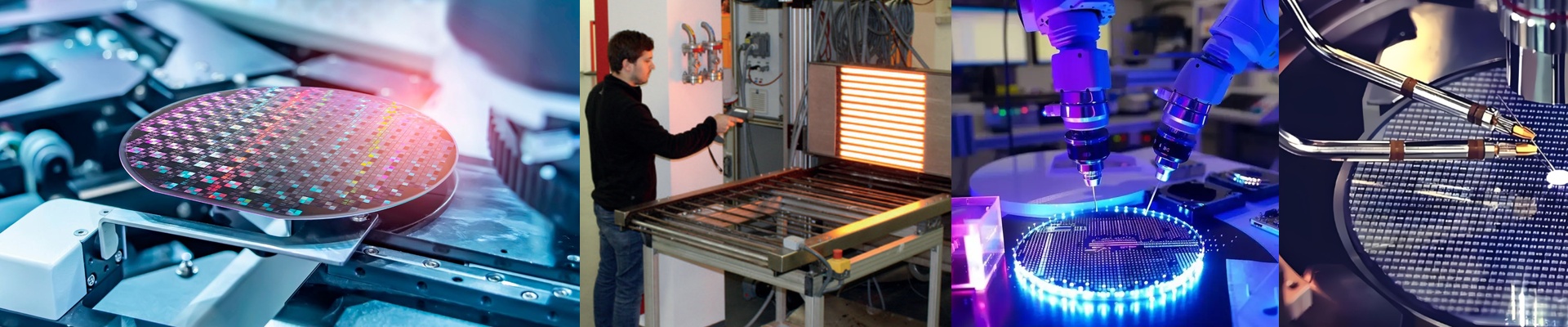

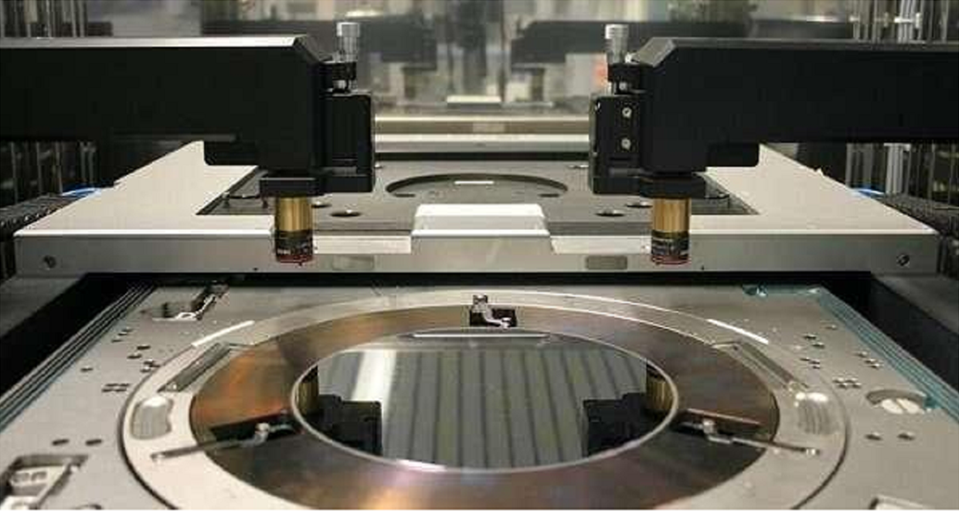
On the fab floor, thermal excursions in dopant activation, photoresist soft bake, and hard bake don’t just drift yield—they wipe it out. We built our dopant activation infrared heater to hold temperature where the process actually needs it, not where the chamber happens to drift. What matters, technically Our short-wave infrared emitter heats fast and direct, with wafer-level uniformity within ±0.1°C. That stabilizes activation profiles and keeps photoresist bake windows consistent. The quartz-halogen module gives tight spectral control, so you hit setpoint quickly without chewing into thermal budget. Cleanroom Class 1–100 compatibility is baked in: low outgassing materials, sealed assemblies, and a particle-averse path geometry keep counts down where lithography simply can’t tolerate excursions. Repeatability is the point—setpoint to setpoint, lot to lot. Why it plays in the fab In practice, you get soft bake that clears solvent without skinning, and hard bake that cures without reflow or scumming. Dopant activation runs on a stable ramp and soak, so diffusion variance across the wafer stays tight. Fewer reworks. Tighter CD control. Cycle time you can plan around. Energy use drops because response is fast and standby loss is minimal, and the unit holds up 24/7—no hot spots, no cold starts. The things you’ll want to get right Installation means matching the heater to the chamber’s optical path and cooling envelope. Reflector alignment and coolant flow have to be verified during commissioning. There’s a short warm-up stabilization period before that tight uniformity locks in. Plan routine calibration to keep the ±0.1°C window over long campaigns.