
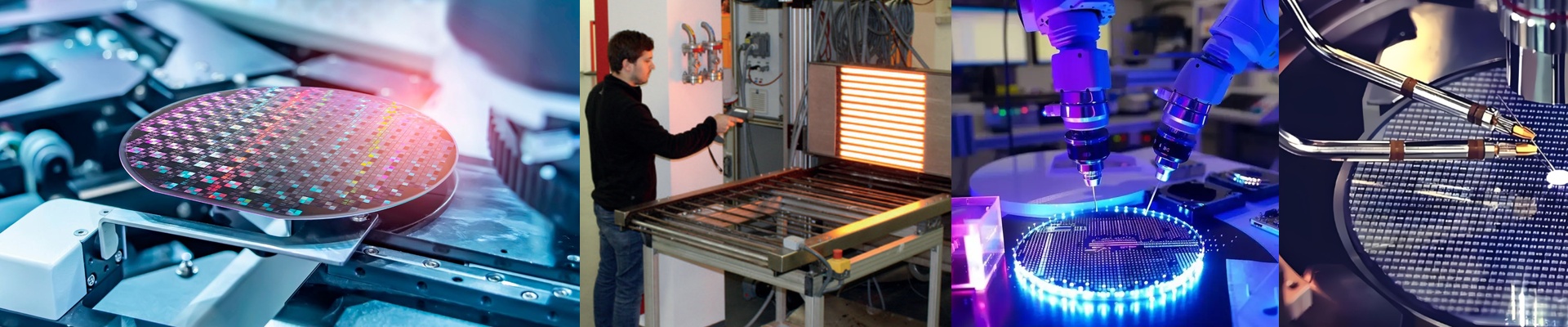
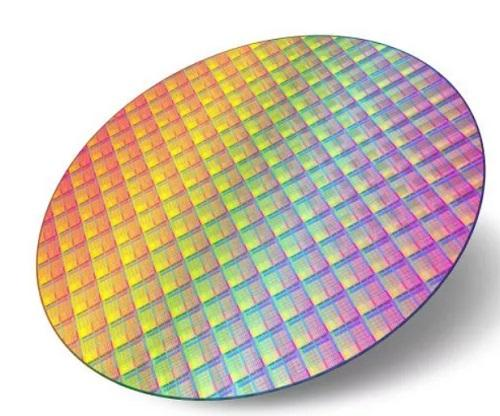
On the floor, 24/7, the fab can’t handle a thermal hiccup. One heater element starts drifting, and your soft bake and hard bake temperatures are off-spec before you know it. Lithography tolerances fall apart. Wafers get scrapped. The schedule slips. We put the Axcelis heater element spare in to stop that cascade at the source. What matters, technically This element is built around wafer-level thermal uniformity, keeping the bake plate within ±0.1°C of setpoint. The quartz build and short-wave infrared response give you a fast, repeatable ramp with minimal overshoot—exactly what you need to keep the thermal budget tight on advanced photoresist stacks. It’s cleanroom-ready for Class 1–100, generates zero particles, and the surface holds up through aggressive solvent cleans. Expect long life: 5,000+ hours at rated duty, with output drift under 5%. Why it holds up in a litho cell In high-volume lithography, the only acceptable reliability is no unplanned downtime. This spare keeps process repeatability across soft bake and hard bake, so you don’t see CD and overlay drift from temperature cycling. The result is stable bake profiles, fewer rework lots, and lower energy use thanks to efficient, controlled heat transfer. Install it, replace it when needed, and keep running—no tuning, no surprises. Here’s what to watch Match the element to the exact Axcelis tool variant, power, voltage, and connector interface. If the termination or mounting tolerances are off, uniformity suffers and contact life takes a hit. After installation, re-verify the bake chamber thermal mapping, and double-check the temperature sensor position relative to the element. Even a small offset can push the profile outside photoresist spec.