
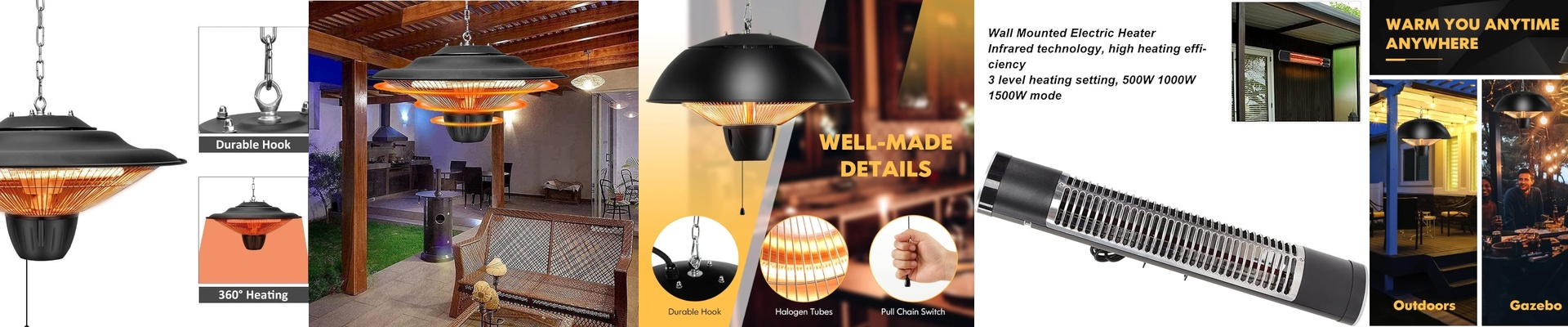

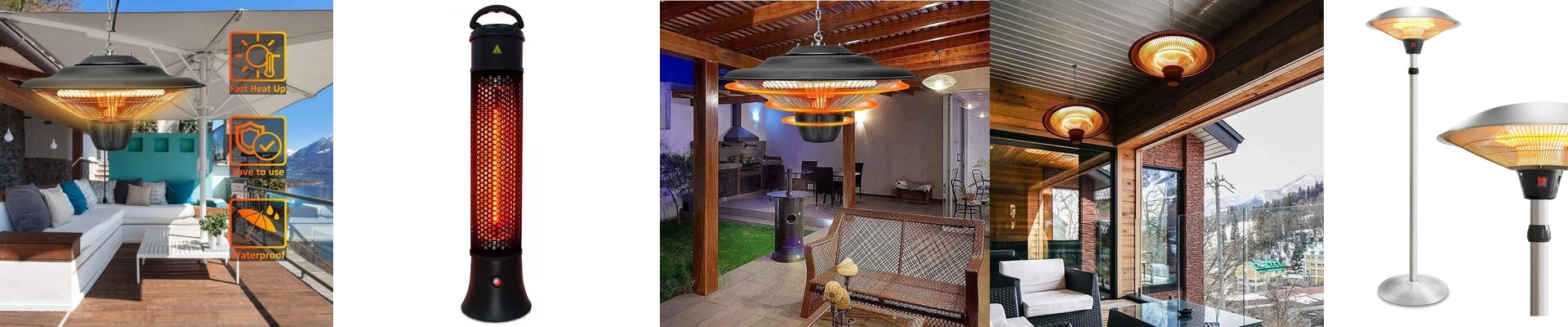

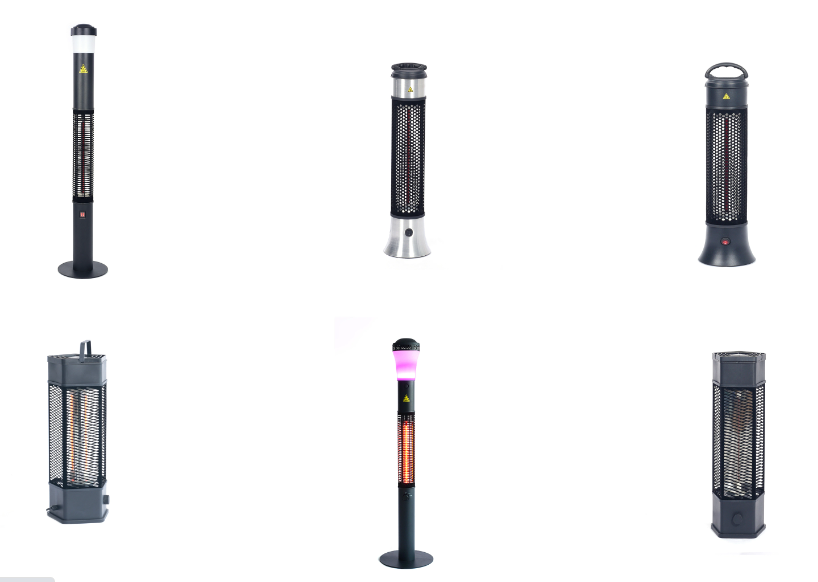
We built this clothes drying heater after seeing the same problem play out again and again: damp laundry that comes out of a cycle still carrying that faint, stubborn musty smell. The issue isn’t just how long it takes. It’s about getting heat into the fibers evenly, without scorching the outside while the inside stays wet. In our lab, we run repeated infrared tests in controlled chambers, tracking how wavelength and intensity affect evaporation, color retention, and fabric feel. The outcome is straightforward—this dryer delivers infrared warmth where it matters, not just as hot air swirling around the room.
What matters under the hood
This unit uses short-wave infrared radiant heat, aimed straight at the clothing. Rather than heating a big drum or the entire room, the energy targets the water trapped in each thread, so moisture releases faster. The output is tuned for household loads, and the heating element is built to warm up quickly and hold a steady temperature. A built-in thermostat keeps the heat in the right range, and the exterior stays noticeably cooler to the touch. For safety, you get tip-over protection and an auto shut-off if the unit runs too long.
Why it fits the way people actually live
In a home where laundry needs to turn around fast, this heater shortens the wait. You get drier clothes sooner, often in one focused run, with less of that over-drying that makes fabrics stiff. Because the heat is radiant and contained, it’s easier to use in tighter spaces—utility rooms, covered porches, garages—without turning the whole house into a warm box. Over time, it uses less electricity than many conventional dryers, and it cuts down on the wear that comes from tumbling and sustained high heat.
The practical details—what to watch for
Set the heater on a stable, level surface and keep airflow clear around it. It works best when clothes are spread out, not stacked, so the infrared reaches more fabric surface. The exterior stays cooler than older designs, but the heating area is still warm—keep hands and pets away. Plug into a grounded outlet on a dedicated circuit when possible, and check your home’s wiring if you plan to run it for long stretches.