
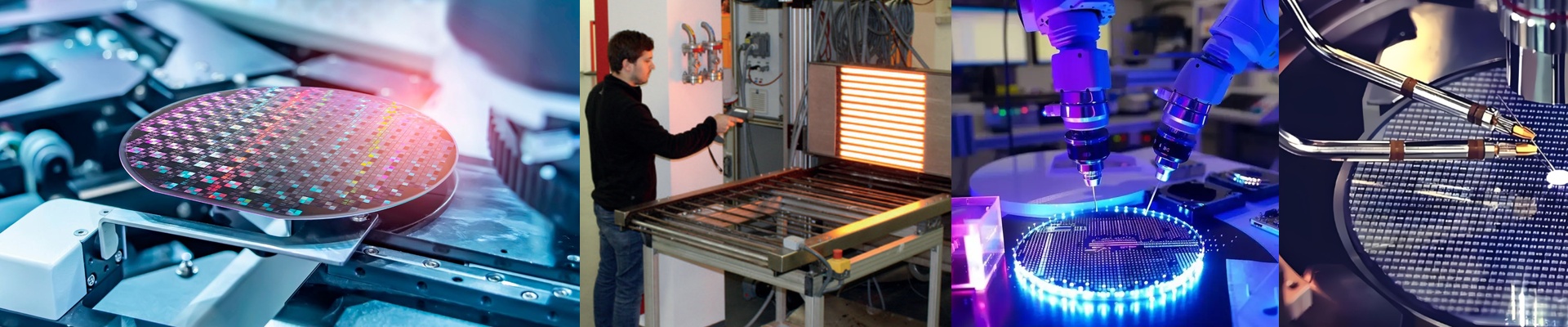

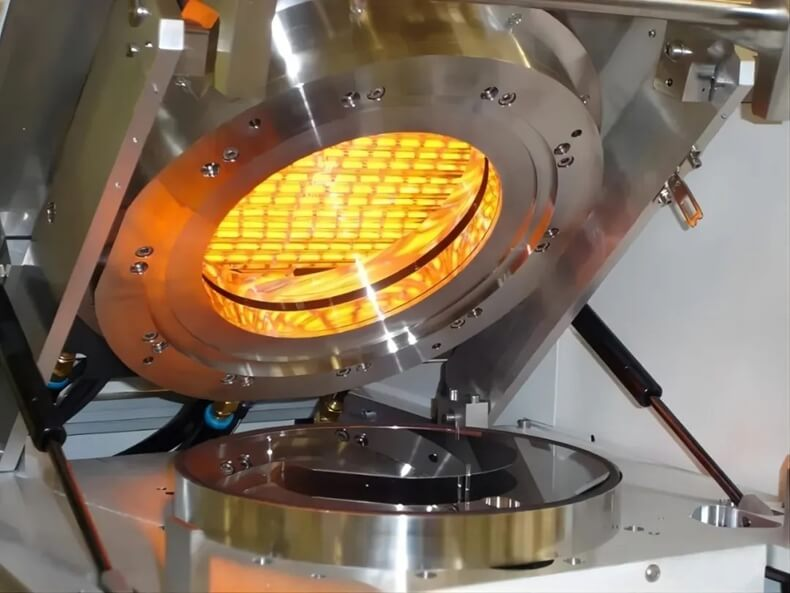
On the fab floor, a thermal excursion in a Lam Research chamber isn’t just a minor blip. It hits CD control, the photoresist profile, and yield straight on. When the heater starts to drift, soft bake and hard bake temperatures wander with it, and the thermal budget across the wafer is compromised. That’s why the replacement has to restore exact thermal behavior, not just bolt in. What matters, technically We engineer the Lam Research heater replacement to hold wafer-level thermal uniformity at ±0.1°C across the full process window, so photoresist bake performance stays repeatable. You spec the heating element—halogen, short-wave, medium-wave, or NIR—to match the chamber’s thermal response, and that keeps overshoot and cold spots in check. The build uses high-purity quartz and verified seals to stay within cleanroom Class 1–100, with zero particle generation confirmed by in-situ particle monitoring. Electrical interfaces are set to the right voltage, power density, and connector type, so it integrates cleanly with the original equipment controls. Here’s why it lands in lithography and resist processing: temperature stability is what buys you line-width repeatability and lower defect density. With this heater, you keep tighter process windows on soft bake and hard bake, cut scrap, and push MTBF out. You also trim energy use, because the element comes up fast and holds setpoint with minimal cycling—less thermal load on the chamber and the facility. Installation comes down to one thing: match the original Lam Research footprint and termination scheme exactly. Plan a controlled bake-out and a conditioning run to stabilize output and confirm cleanliness before you put the tool back into production.