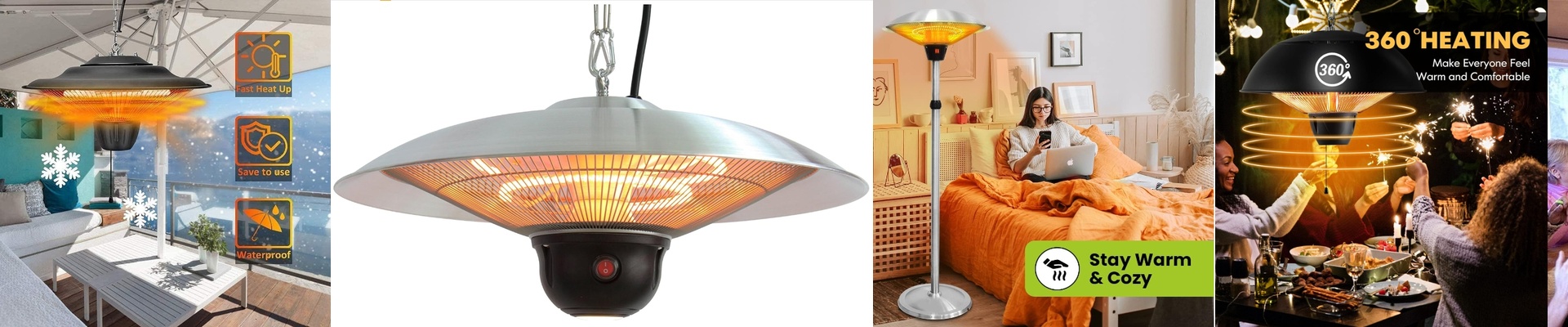
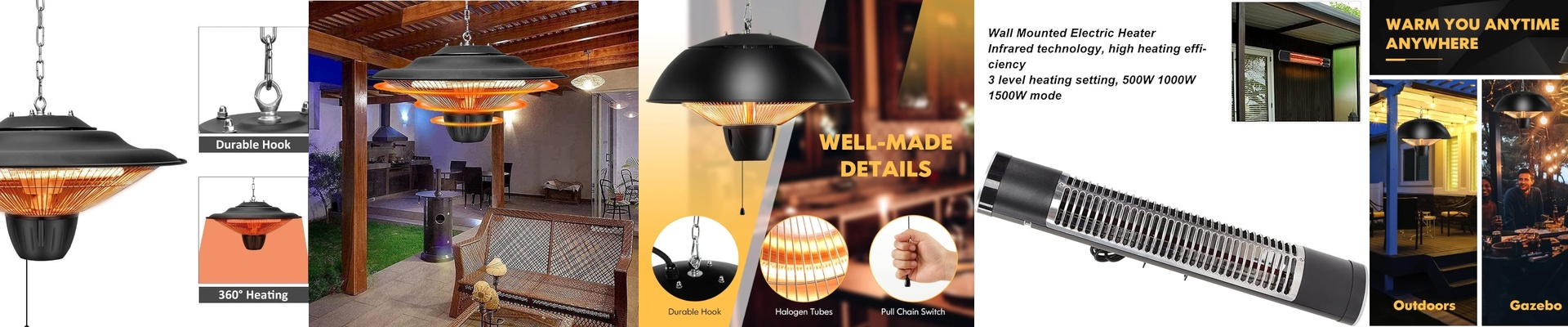
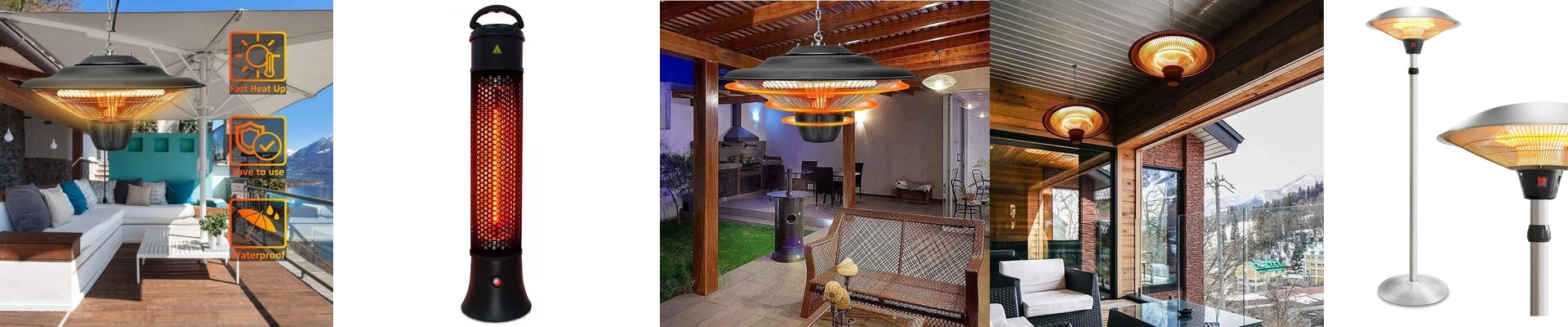

A cold pipe isn’t just an inconvenience. It quietly threatens comfort, equipment, and weekend plans. When water lines, supply pipes, or drain lines chill down, pressure shifts, valves start to complain, and the whole house feels less welcoming. We built our pipe heater electric to put steady, directional warmth right where it’s needed, so you can stop worrying and just count on reliable indoor comfort.
What matters under the hood
We pair a focused electric element with a low-profile, flexible install so heat wraps the pipe evenly. The design stays efficient because it heats the surface directly, not the room air around it. You get predictable coverage in a compact profile that fits tight runs, plus a durable outer jacket that holds up in basements, utility rooms, and under-sink spots. Output is tuned to keep pipes above the freeze point without overshooting, so protection stays consistent and energy use stays controlled.
Why this approach holds up in real homes
Modern living asks for warmth that feels effortless and responsible. This pipe heater electric supports that by preventing freeze-ups that can lead to leaks, bursts, and messy repairs. In practice, that translates to fewer service calls, less water waste, and a home that stays steady through cold snaps. The payoff is calmer days—pipes stay dry, pressure stays stable, and the comfort you expect stays on, even when winter arrives.
The practical details you’ll want to get right
Installation is straightforward, but pipe heater electric units do need a dedicated circuit and a thermostat or controller for best results. Match wattage to pipe size and run length, and keep the heater clear of insulation that would trap too much heat. In very damp areas, confirm the unit’s wet/damp rating and follow grounding guidance. Plan for a small service gap—this isn’t a set-and-forget device, but it is a dependable, low-maintenance way to protect your home.