
Stop Turning Your MEMS Tools Into Ovens
If you’ve ever used a standard convection heater for wafer drying, you know the struggle. You’re trying to dry a wafer, but you end up heating the entire chamber. The inner walls of your expensive tool just soak up all that energy like a sponge. The result? The outside of the machine gets dangerously hot to the touch and your power bill spikes. It’s a waste. We found a better way: directional infrared (IR) heating.
How it actually works
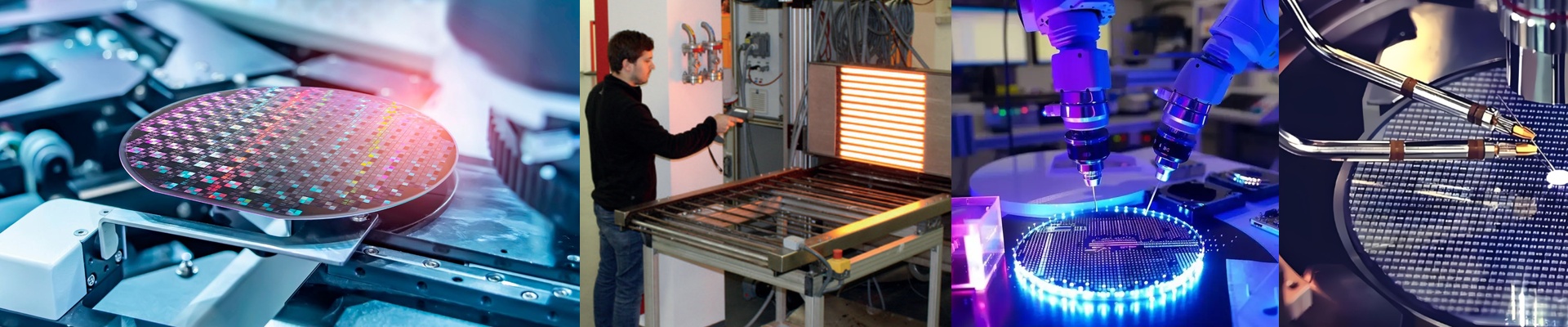
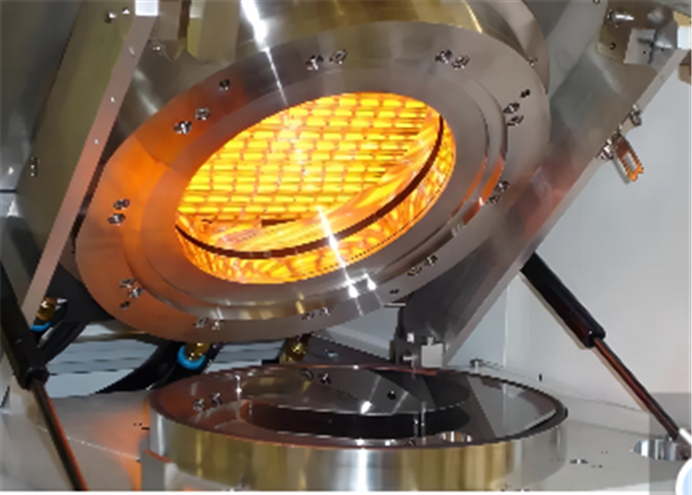
Think of it this way. Convection is like trying to warm up a single person by heating every cubic inch of air in a room. It’s inefficient. IR is different. It uses electromagnetic waves to send energy straight to the wafer surface. We don’t bother heating the air or the walls. We just put the heat exactly where the water needs to evaporate. The steel frame of your tool stays cool because the energy is focused where it belongs.
The nitty-gritty (and the pitfalls)
We usually go with short-wave IR emitters. Why? Because the materials in MEMS drying just absorb them better. Plus, you can pair them with fast-response controllers so you don’t accidentally cook your wafers. But here’s the catch. IR lamps are intense. If your alignment is off by even a couple of millimeters, you’re asking for trouble. You’ll get hot spots on the wafer or end up heating a component that was never meant to be warm. You have to be really picky about your reflectors to get the beam angle just right.
Why this makes life easier
Once you ditch the “hot wall” problem, everything feels different. Your operators aren’t worried about getting burned when they step up to the tool. Your HVAC system isn’t screaming to keep the room cool because the machine isn’t fighting the environment. It’s faster. It takes up less space. And honestly, it just makes the whole process feel less like a battle against physics.