


Why We Obsess Over Insulation Testing for Wafer Sensors
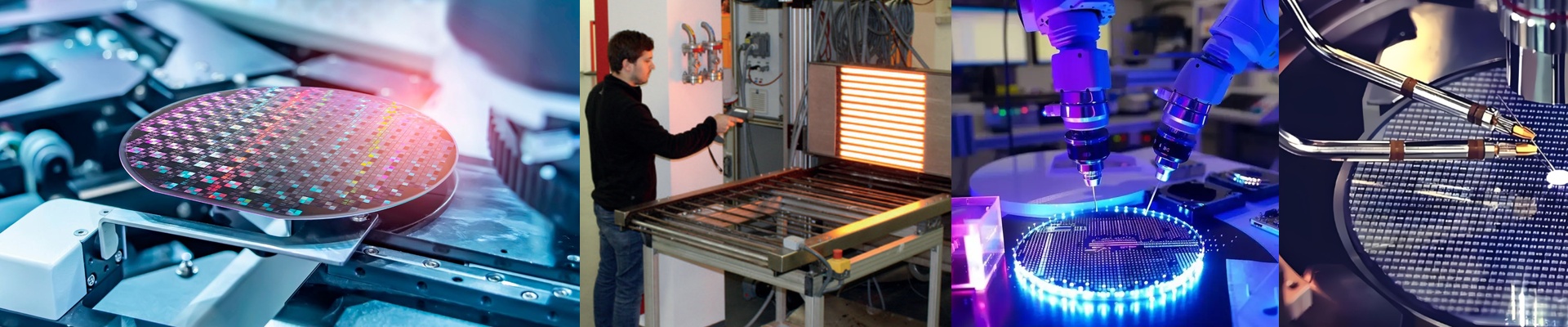
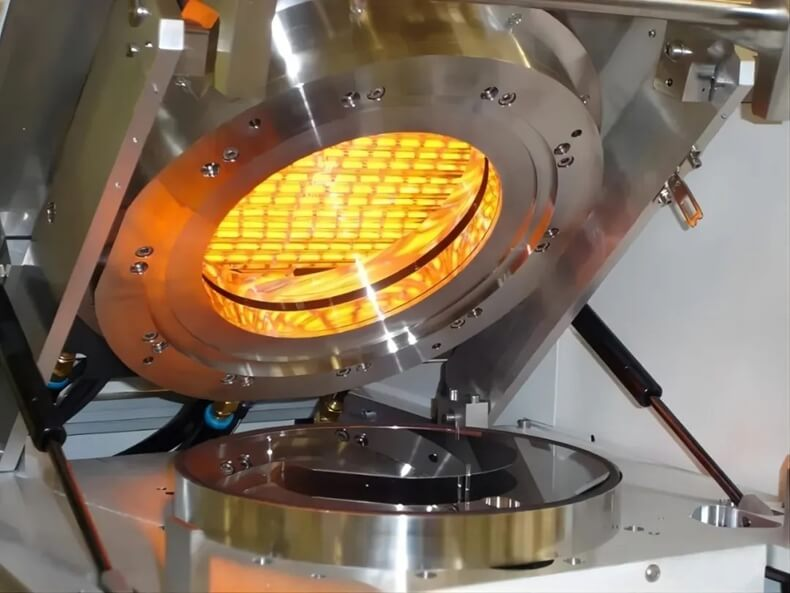
Wafer fab tools are brutal. Between the extreme heat and the tight electrical tolerances, there’s zero room for error. Think about it: one tiny insulation leak in a temperature sensor or a heater, and suddenly you’ve fried a controller board or ruined a batch of silicon wafers. That’s a nightmare nobody wants. That’s why we don’t do “random samples.” Every single unit that leaves our floor goes through 100% withstand voltage (Hipot) and insulation resistance testing. No exceptions.
Pushing the Limits
Here is how it works. We basically stress-test the insulator to see where it breaks. We hit the sensor with a voltage way higher than what it’ll see during normal operation. We’re looking for leakage. If there’s a pinhole or a thin spot in the dielectric layer, the current arcs right through. If a sensor burns out on our bench?**That’s a win.**It means we caught the failure here, instead of you finding it after you’ve wired it into a multi-million dollar tool.
Why “Good Enough” Isn’t Enough
In this industry, a 1% failure rate is a disaster. One bad sensor can scrap an entire run of wafers. We measure insulation resistance in Megaohms to make sure the conductive core is totally isolated from the outer sheath. If that isolation isn’t perfect, you get parasitic currents. And those currents will mess with your PID loop readings, leaving you chasing ghosts in your data.
The Honest Trade-off
Now, being this strict comes with a cost. Rigorous testing takes time, which can push out lead times. And let’s be real: these tools are tough on gear. Even the best insulation can degrade after thousands of hours of thermal cycling. Our exit tests guarantee the sensor is perfect on day one, but you’ll still want to keep an eye on your ground leakage as the tool gets older. We build these sensors to take a beating in high-heat environments. By verifying the electrical isolation of every single piece, we take the guesswork out of your safety. You can just plug them in and get to work.