

Moving to Infrared: Getting Your Smart Fab’s Heat Under Control
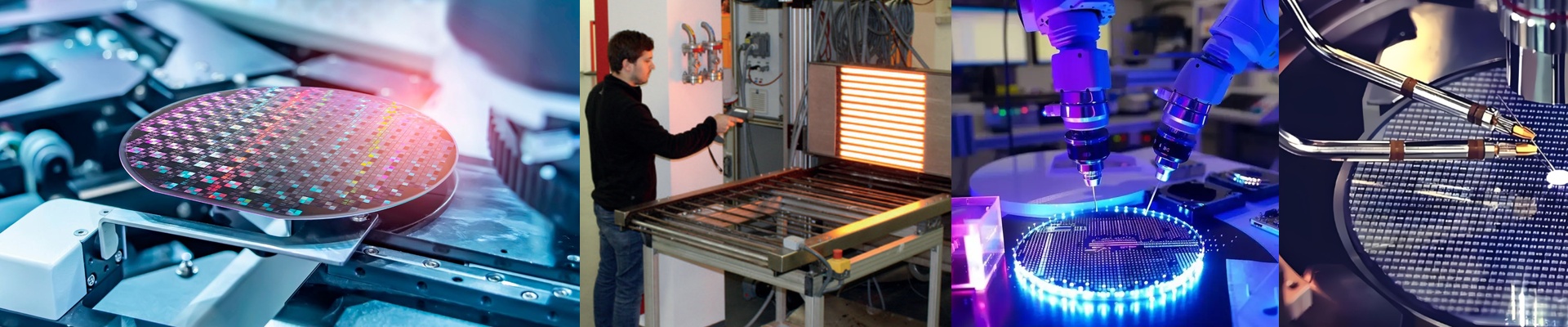
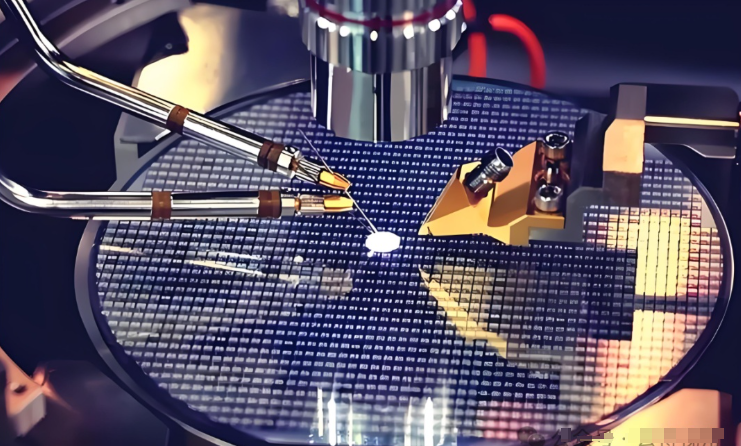
If you’re building a Smart Fab for Industry 4.0, you probably already know that software is only half the battle. The real headache is the hardware. You need gear that actually listens to your data. When it comes to heating wafers, we’ve leaned hard into infrared (IR). Why? Because it’s fast. Really fast. In a digitized line, you can’t afford to wait around for a heater to catch up.
No more lag, just precision
Here’s the thing about old-school resistive heaters: they’re slow. They have this annoying lag that messes with your timing. IR is different. It reacts almost instantly to your PLC commands. We keep the power density high and the footprint small, which means the heat source sits closer to the wafer. Less distance equals less wasted heat. Plus, it makes your Energy tracking way easier. When you’re trying to pin down exactly how much power each wafer uses in real-time, you need that kind of predictability.
The trade-off: Power vs. Cooling
We build these systems to be workhorses. They run 24/7, cycling constantly without breaking a sweat. We use short-wave IR emitters because they soak deep into the substrate, making sure the whole wafer hits the right temperature evenly. But there’s a catch. If you crank up the wattage to speed up your throughput, you’re going to feel it in your cooling manifolds. If your cooling isn’t up to the task, your ambient temperature will climb, and suddenly you’re drifting right out of your thermal window. It’s a balancing act.
Taking the guesswork out of maintenance
Industry 4.0 is really just a fancy way of saying “I want to see what’s happening.” We wire our IR systems directly into your data layer using a closed-loop feedback system. Instead of hoping your equipment is still working, you can actually watch the emitter’s health degrade over time. When the output dips below a certain point, the system gives you a heads-up. You can just swap in a replacement part before the emitter burns out and kills your yield. No more guessing. No more “hope for the best” maintenance. Just a simple schedule based on what’s actually happening on the floor.