
Why Your Bathroom Heater Shouldn’t Actually “Explode”
Let’s be real: bathrooms are a nightmare for electronics. You’ve got steaming hot showers, thick humidity, and sudden temperature swings. When you throw a high-wattage heating element into that mix, things can get dicey. It all comes down to the glass tube inside your heater. If you use the wrong stuff, you’re not just buying a heater—you’re buying a liability.
The “Pop” Problem
Most people don’t think about thermal shock until they hear a loud crack coming from their ceiling. Here’s what happens: standard quartz glass is great at getting hot, but it hates cooling down quickly. Imagine a tube glowing at 500°C. Now imagine a single drop of cold water hitting it. The glass shrinks unevenly and—boom—it fractures. We don’t do that. We use explosion-proof quartz. It’s treated specifically to handle that tension, so it stays in one piece even when the temperature swings wildly.
How the Heat Actually Works
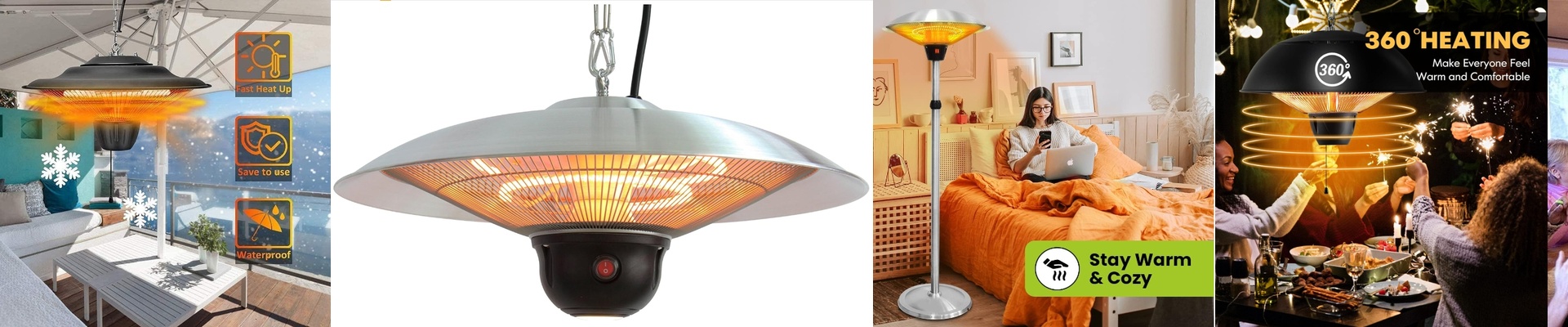
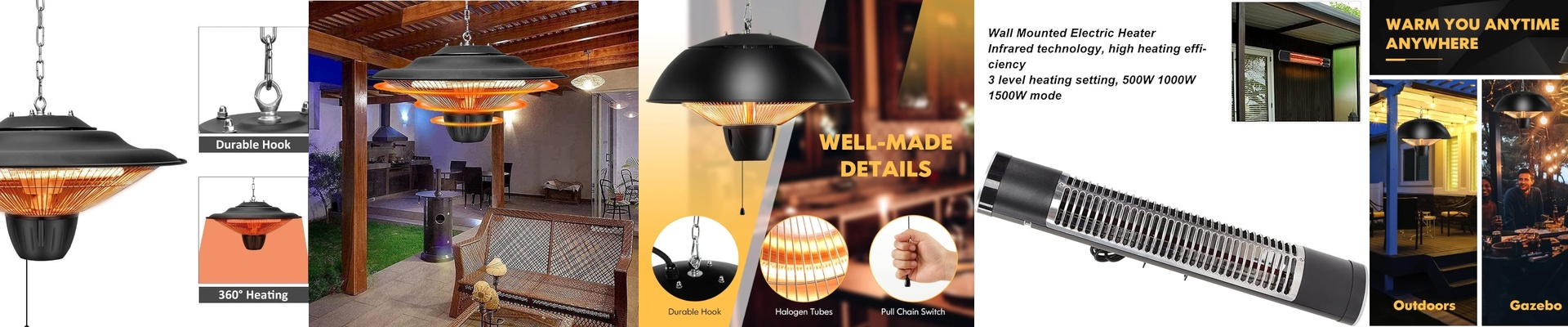
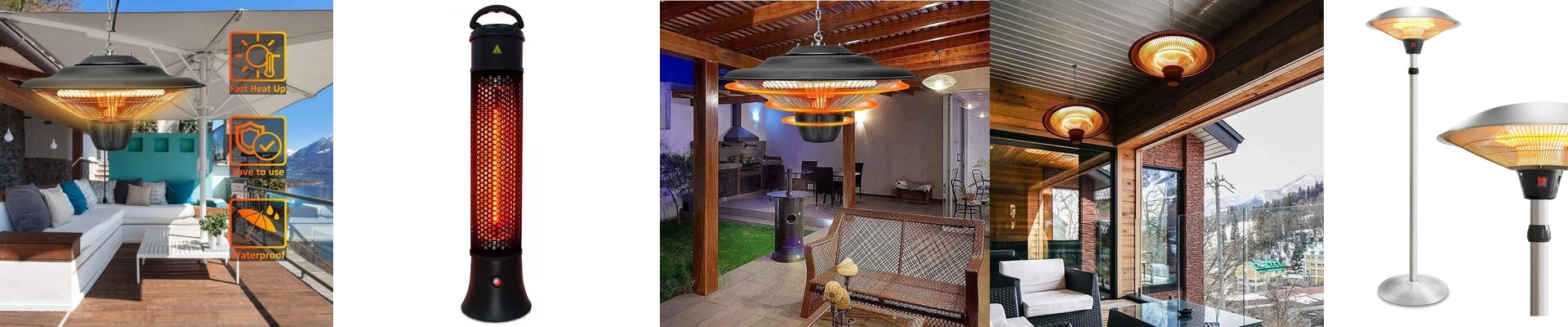
Inside these tubes, we use a halogen-filled envelope. It sounds fancy, but it basically just stops the tungsten filament from wearing out too fast. It keeps the lamp alive longer. The best part? It uses short-wave infrared radiation. Instead of trying to warm up all the air in the room (which takes forever), it beams the heat directly onto your skin. It’s that instant, cozy feeling the second you flip the switch. We also seal everything with high-temp gaskets. Why? Because moisture loves to sneak into electrical connectors. If that happens, you get corrosion, sparks, and a dead heater. The seal keeps the gunk out.
A Few Tips for Installation
You can’t just shove these into any ceiling and call it a day. These units put out a lot of concentrated heat. If the space above your ceiling is cramped and has no airflow, the heat builds up. Eventually, the thermal cutoff switch will trip and shut the whole thing down. If that happens, don’t panic—it’s not a broken heater. It’s the safety switch doing its job. Just make sure your ceiling void is ventilated. Also, double-check your wiring. You want to make sure it can handle the peak power draw. If the wiring is too thin, you’ll get voltage drops, and your heater just won’t hit those cozy temperatures you’re looking for.