

Keeping Things Warm When It’s Damp and Drafty
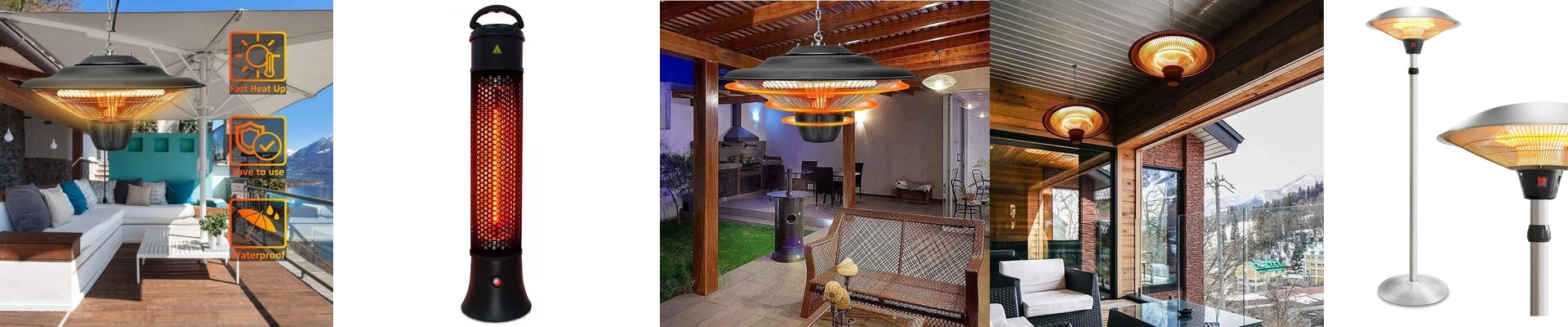
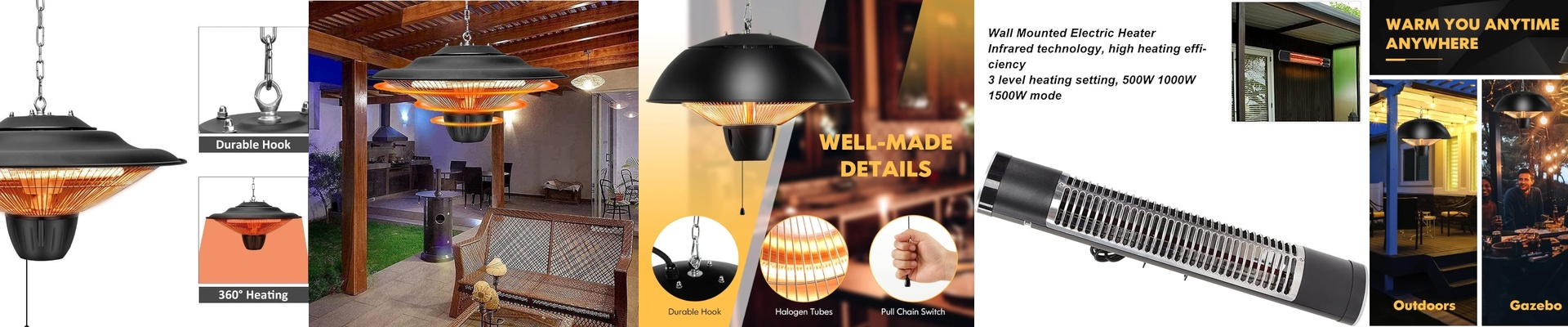
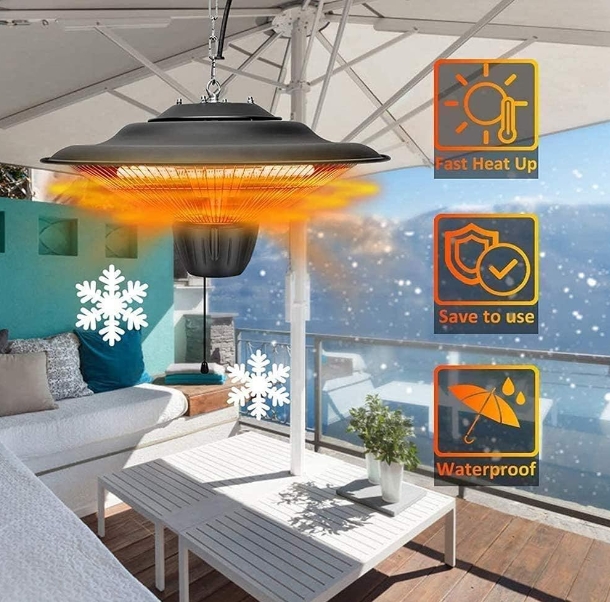
Ever tried heating a room that just won’t stay warm? Maybe it’s a drafty chicken coop or a damp changing area where the cold seems to seep through the walls. The problem is usually the air. If you try to heat the air, you’re just fighting a losing battle against the wind. That’s why we use shortwave infrared (SWIR). Think of it like the sun. You know how you can feel the sun’s warmth on your skin even on a freezing winter day? That’s exactly how this works. Instead of blowing hot air around, these units send energy directly to whatever they’re pointing at—be it an animal or a person. It’s instant. No waiting for the room to “warm up.” You just feel it. Speed matters. The science is pretty straightforward: the heating element gets hot fast and sends out radiation that cuts right through the cold air. You aren’t wasting money trying to heat every cubic inch of a warehouse or a barn. You’re just heating the things that actually need it. It’s efficient, and it’s fast. Built for the mess. Let’s be honest: livestock areas are nasty. Between the dust, the dander, and the constant humidity, most electronics just give up. They short out. They corrode. It’s a nightmare. We didn’t want that. So, we wrapped everything in IP-rated waterproof housings and used sealed quartz envelopes. The heating filaments are tucked away inside high-purity quartz glass, which means they can handle the heat without cracking. When a humid spell hits or the power surges, that seal is the only thing standing between your heater and a total burnout. A few tips on setup. Because this heat is so concentrated, you have to be smart about where you put the units. If you hang them too low, you’re asking for trouble. You could scorch your animals or, worse, set fire to the bedding. But if you put them too high, you lose that intensity. The sweet spot is usually a tiered setup. It spreads the warmth evenly across the floor so there are no “dead zones.” And a pro tip: use heat-resistant cabling. You don’t want your insulation melting just because it’s too close to the chassis.