
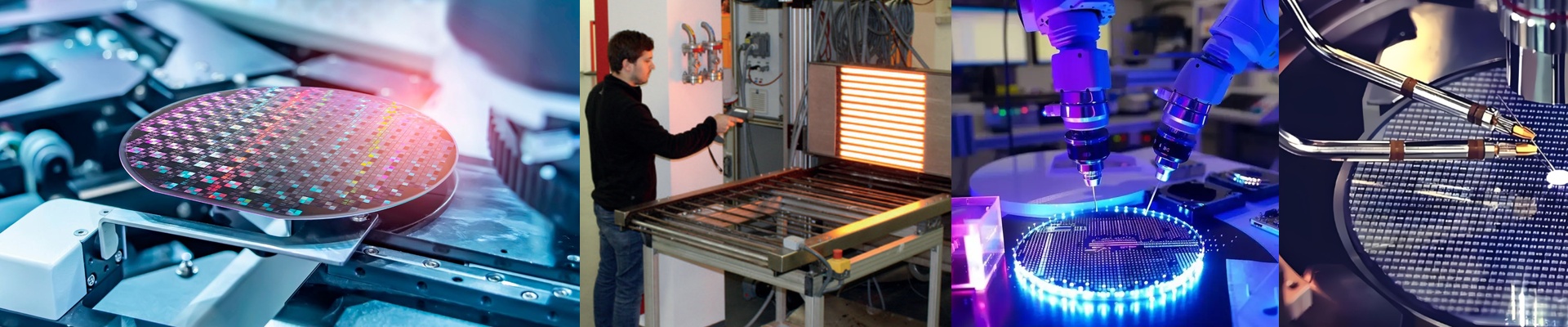
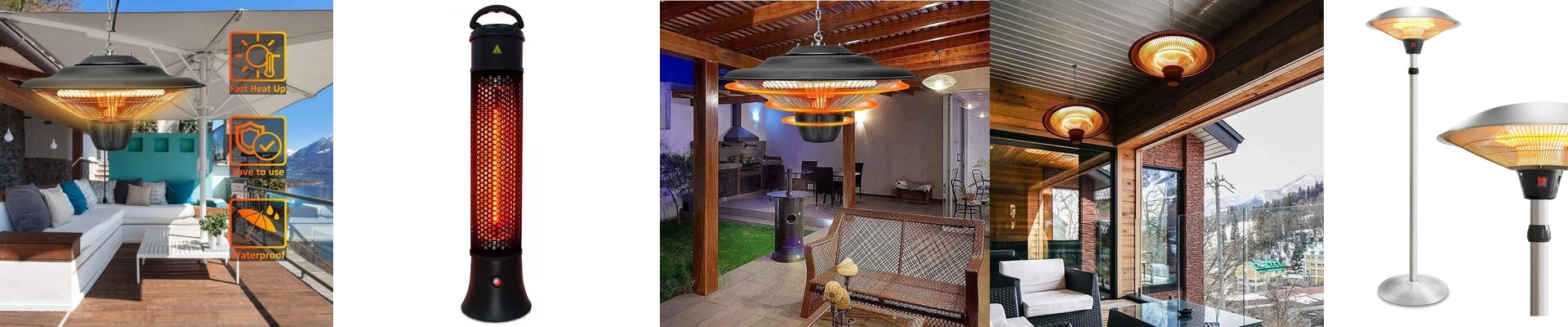

Why we’re ditching hot air for IR in semiconductor trolleys
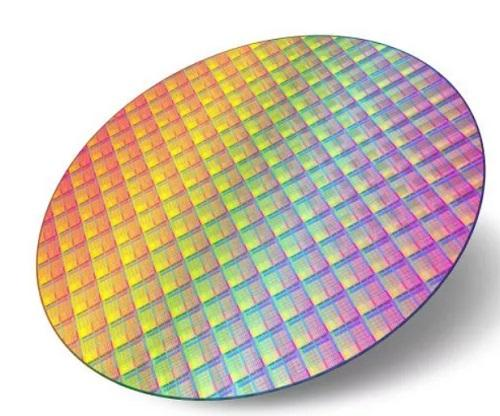
If you’ve spent any time in deep processing, you know the waiting game. Using hot air circulation is like trying to warm up a house with a space heater in the hallway. You heat the air, then the air heats the trolley, and eventually—finally—the wafers get warm. It’s a slow crawl. Infrared (IR) heating is different. It doesn’t mess around with the air. It just hits the target directly with radiant energy. It’s fast. Really fast. When you’re in a cleanroom, air is your enemy. To move hot air around without tossing particles everywhere, you need massive ducts and endless filters. It’s a headache. With IR lamps, we just skip that entire mess. We use short-wave or medium-wave emitters to dump energy straight into the load. You aren’t waiting for the room to warm up. You’re heating the actual parts. This usually knocks your ramp-up time down by 60% to 80%. That’s a lot of reclaimed time in a workday. But look, it isn’t as simple as just swapping out a heater. You’re dealing with some serious heat density here. We usually go with quartz envelopes because they don’t “off-gas”—meaning they won’t leak gunk into your clean environment. The real trick is managing the “shadows.” Since IR travels in a straight line, if your trolley layout blocks the view, you get cold spots. Nobody wants a batch of wafers where half are perfect and half are under-temp. We fix this by angling the lamps in an array. It wraps the heat around the load so everything hits the mark without melting your trolley chassis. The best part? Your floor space opens up. You can get rid of those bulky blowers and heat exchangers. The whole footprint shrinks. Just a heads-up on the maintenance side: IR lamps don’t last forever. They aren’t like a standard heating coil that just works until it breaks; these tubes dim over time. If you don’t keep a strict replacement schedule in your logs, your temperatures will start to drift. You’ll see it in your batch results first—inconsistencies that are a pain to track down. Pair the system with some solid PID controllers to keep things steady, and you’re golden.