




Staying Safe When Heating Volatile Chemicals
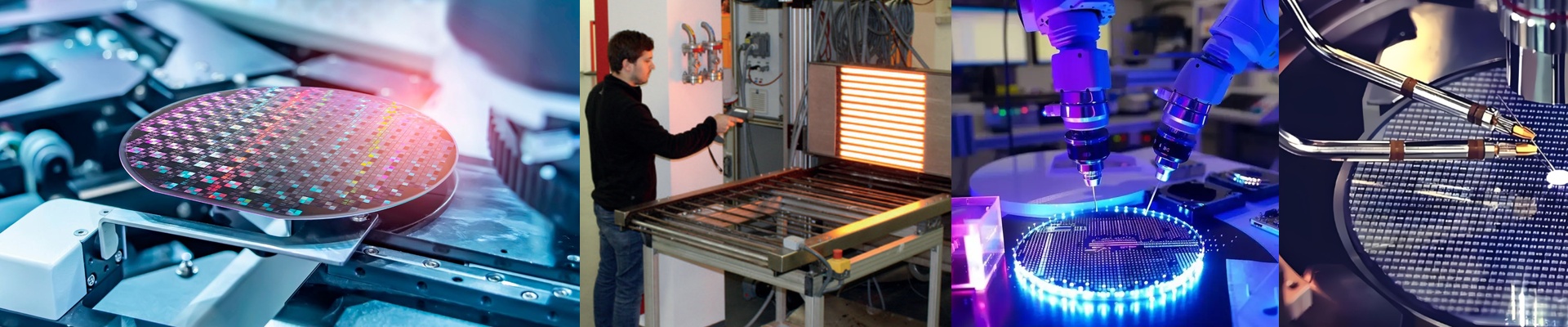
Let’s be honest: heating chemicals in a clean room is nerve-wracking. When you’re working with solvents that could ignite or explode, a standard IR lamp just won’t cut it. One tiny spark or a cracked quartz tube, and you’ve got a disaster on your hands. That’s why we don’t just sell lamps—we build them into specialized enclosures that keep the danger locked away.
How the sealing actually works
Here is the problem with most IR lamps: the electrical terminals are just sitting there, exposed. In a chemical environment, corrosive vapors eat through wiring and insulation like candy. That leads to short circuits. Fast. To stop that, we seal those critical spots with heavy-duty, chemically inert potting compounds and reinforced housings. Think of it as a protective shell. It keeps those volatile organic compounds (VOCs) from ever touching the live electrical contacts. And the seal is tight. We use gaskets that don’t melt or degrade when they hit harsh solvents. Even if the quartz tube breaks, the enclosure is designed to contain the failure. It stops the heating element from turning your workspace into a fireball.
Dealing with the heat
Now, there’s a catch. When you seal a lamp inside a box, the heat gets trapped. You lose that natural airflow you get with open-air setups. Because of that, you’ll need to make sure your cooling fans or heat sinks are up to the task. If you skimp on the cooling, the potting material can break down over time. It’s a simple trade-off for the safety you get. We also use shortwave infrared emitters. These punch through chemical baths quickly. The faster the chemicals heat up, the less time they spend simmering, which means fewer dangerous vapors floating around your clean room.
Getting it running
We designed these to be drop-in replacements. You just wire them into your current controllers and you’re good to go. You get the same workflow you’re used to, but with an explosion-proof barrier standing between you and a bad day. Just do me a favor: check your seals every six months. A tiny crack in a chemical zone is a risk you simply can’t take.