


Stop Freezing in the Changing Room
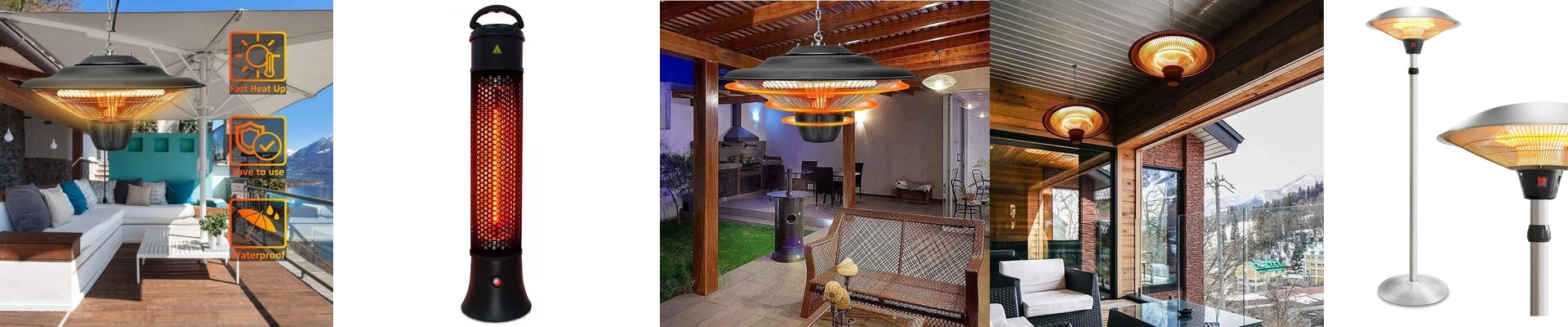
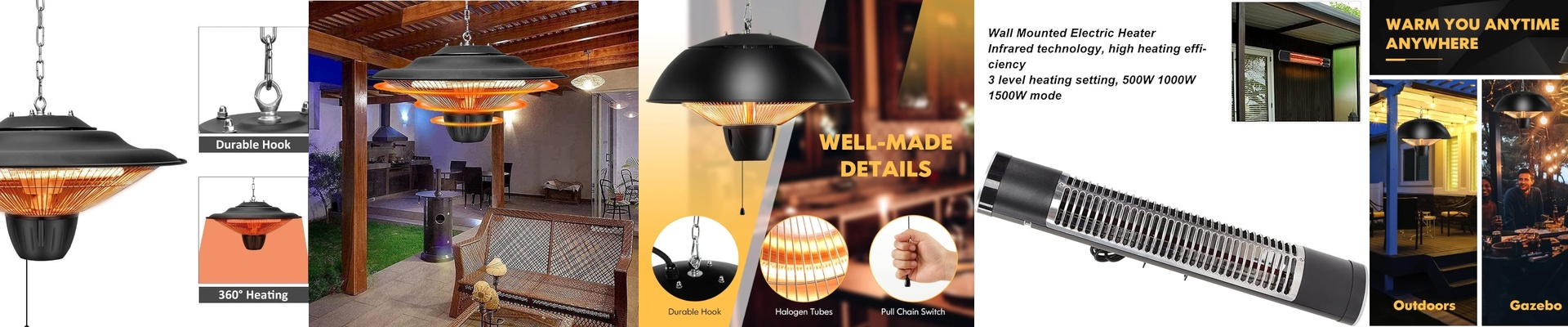
If you’ve ever worked in a factory in a cold climate, you know the drill. You step into the changing area, the door swings open, and a blast of freezing air sweeps through the room. Most places try to fix this with forced-air heaters. But here’s the problem: hot air rises. You end up with a ceiling that’s boiling hot while your feet are still freezing on a concrete floor. It doesn’t work. That’s why we go with ceiling-mounted infrared heaters instead. Why it actually works Infrared is different. It doesn’t bother trying to warm up the air in the room. Instead, it sends heat waves straight down. It hits the benches, the floor, and—most importantly—the people. It feels like stepping into sunlight on a winter day. You feel the warmth instantly. We specifically pick high-intensity units because concrete floors are heat-sinks; they try to suck the warmth right out of your boots. These heaters fight back. Picking the right gear Depending on the setup, we usually go with short-wave or medium-wave emitters. If people are just popping in and out for a few minutes, short-wave is the way to go. It reacts almost instantly. One thing to keep in mind: ceiling height matters. If your ceilings are towering, you’ll need more power to make sure that heat actually reaches the floor with enough punch to be felt. A few things to watch out for Putting everything on the ceiling is great because it keeps the floor clear and out of the way. But you have to be careful. If you bunch these heaters too close together or hang them too low, you’ll end up with “hot spots.” Nobody wants to feel like they’re being grilled while they’re putting on their boots. To avoid that, we usually add a timer or a thermal sensor. That way, the room doesn’t keep baking itself when nobody is even in there. And a quick tip for the electricians: check your breakers. These elements can pull a lot of power the second they kick on, and you don’t want the lights going out just because the heat started.