
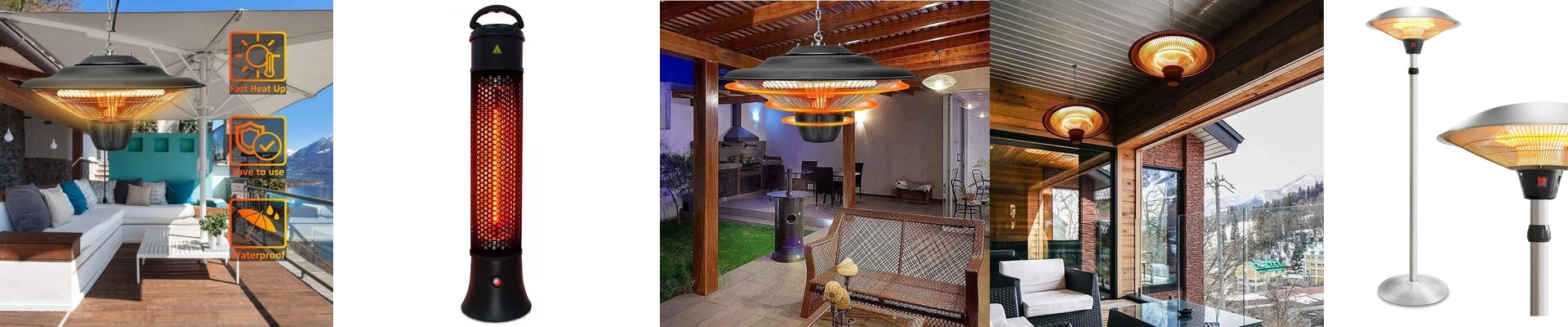

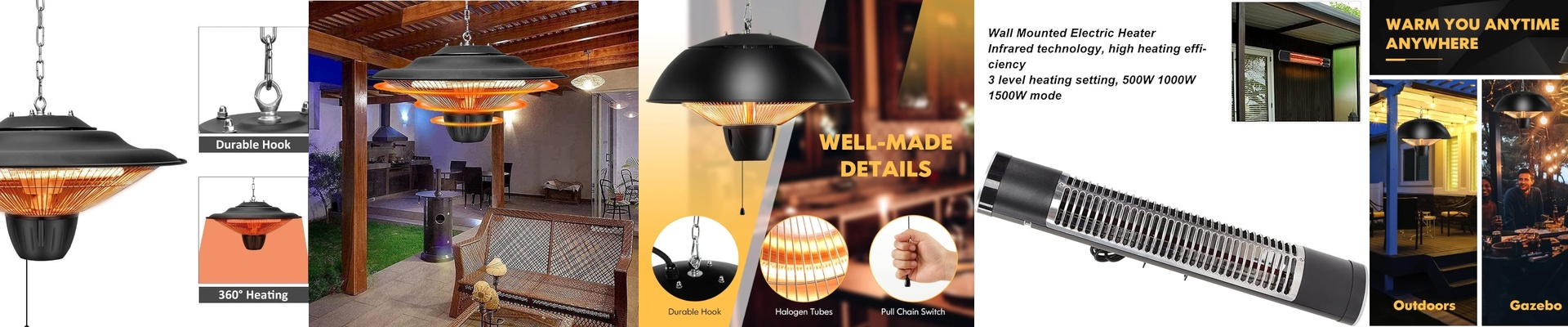
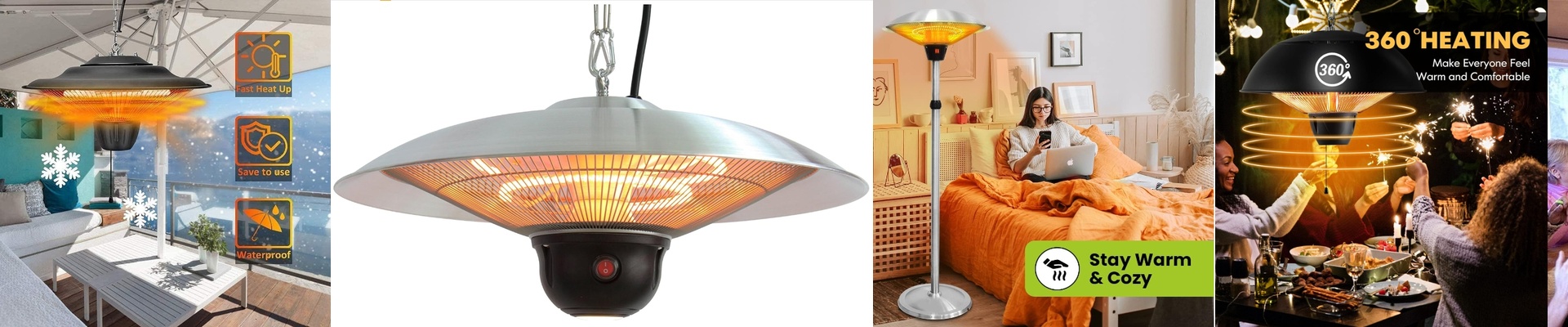

Out here, the cold that follows sunset isn’t just uncomfortable. It drains your batteries and cuts the day short. RV life puts real demands on a heater: it has to warm things up fast, run quietly, and play nice with a 120V shore line or your inverter budget. A compact convector heater, built around an infrared element, is the practical way to meet that. What’s actually going on, technically Convector heaters work by pulling air across a heated element and letting it circulate gently through the cabin. When you add an infrared quartz or carbon fiber emitter, you get radiant warmth that travels in straight lines, hitting people and surfaces first. The upshot is a two-layer comfort profile: the air feels less drafty, and the surfaces stop stealing heat from your body. In practice, a 1500W unit on a standard 120V outlet can bump the temperature in a 12–16 ft RV section up several degrees within minutes. We build these with a low-watt density element and a built-in thermostat so the unit cycles predictably, keeping the average draw manageable. Safety is baked in: tip-over protection shuts the heater off if it gets knocked over, and overheat protection pauses operation if airflow is blocked. Why this combo fits RV and off-grid use RVs and off-grid rigs live on tight electrical margins. A convector-infrared hybrid delivers faster perceived warmth than a straight convection heater, so you can run it in short bursts and back off the thermostat. Because radiant heat warms you directly, you can keep the air temperature a little lower and still feel cozy, which helps keep daily kWh usage in check. The heater is compact, wall-mountable, and quiet—no loud fans to fight with nighttime quiet. That translates to longer evenings, better sleep, and more confidence when you push off-grid. What you need to keep in mind These heaters are designed for 120V AC, typically on a 15A circuit. If your RV runs off a 1000–2000W inverter, run the heater on its own and don’t share the inverter with other high-draw appliances. For best results, mount the unit low on a stable wall where air can circulate, and keep the heater at least three feet from combustibles. In very damp conditions, confirm the IP rating is appropriate for your space and always plug into a GFCI-protected outlet. This setup won’t heat a large rig by itself, but it will deliver dependable, targeted comfort right where you need it.