
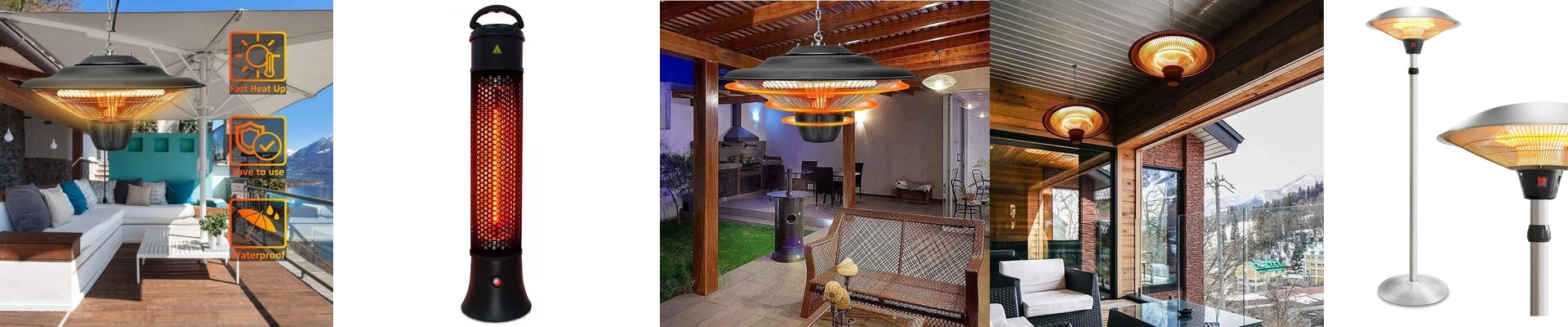
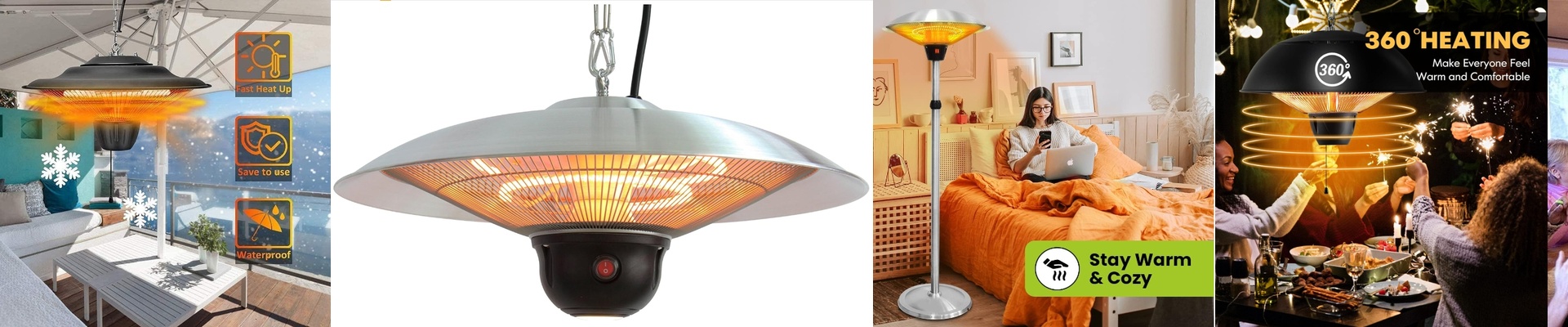


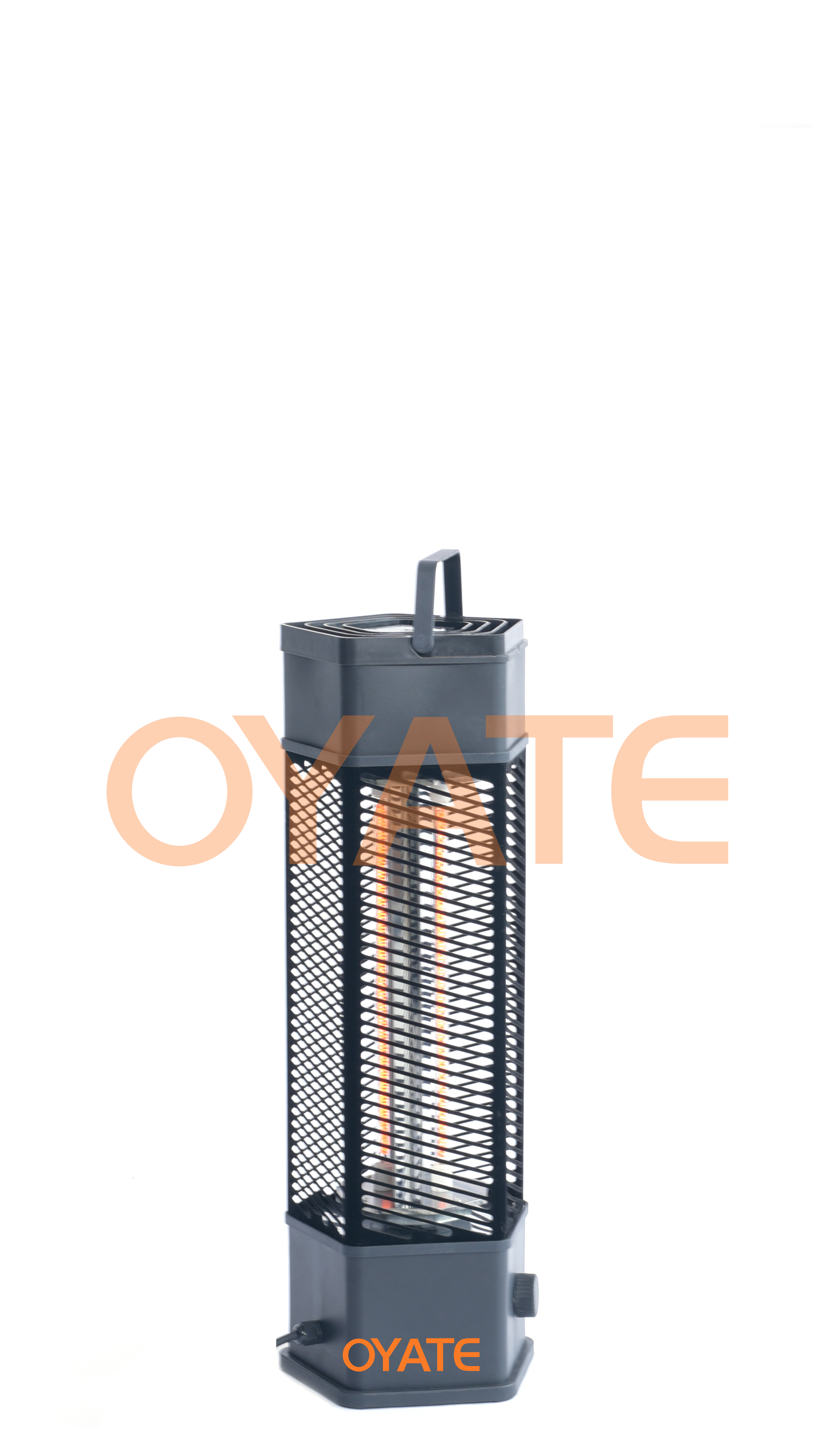
Walk into a modern bathroom remodel these days, and you’ll spot the trend fast: the old bulb-style heater is getting phased out. In its place, you’re seeing a high waterproof-rated infrared heater—quiet, quick to respond, and built for wet rooms. The reason is straightforward. A bathroom that stays genuinely warm, even in the middle of a steamy shower, isn’t just “nice to have.” It’s the difference between comfort and that stubborn chill that clings to tiles, mirrors, and towels. We see this on job sites all the time. People upgrade finishes, go frameless with glass, and then realize the original heater can’t keep pace. It either leaves cold spots or starts fighting moisture ingress. When the heat can’t keep up, the room feels smaller, and the air turns damp. Swap in a heater that’s rated for water and delivers instant radiant warmth, and the whole feel changes immediately.
What matters, technically
Bathroom infrared heating comes down to two things: the type of warmth you feel, and the protection that keeps it running safely around water. We’re talking radiant infrared warmth—heat that delivers directly to people and surfaces, not the air. That’s why you feel the warmth the moment it turns on, and why it stays steady when the door opens and closes. Inside, the element is built to handle repeated on/off cycles, which is exactly how bathroom heaters get used. The key spec is the waterproof rating. For wet locations, the IP rating tells you what the unit can take.**IP24 means protection against splashing water from any direction.**In practice, that lets you install it near showers and baths without sweating routine splashes. For more exposed areas—outdoor or covered spaces—units rated IP34 or higher are common, offering protection against spray and dust. Heat output needs to match room size. In many bathrooms, a unit in the 1,500 W to 2,000 W range delivers noticeable comfort without overloading typical circuits. Voltage is straightforward: most run on standard household voltage, and the choice between hardwired and plug-in comes down to local wiring and the installation plan. Safety is non-negotiable in a bathroom. Look for overheat protection, tip-over protection, and a grounded power connection. If the unit has a thermostat, it helps hold a set comfort level, so the room doesn’t swing between too hot and too cold.
Why this works in a bathroom
Bathroom renovations keep pushing toward cleaner lines and fewer compromises. That means choosing a heater that fits the aesthetic, performs in wet conditions, and doesn’t make the room wait. Infrared warmth hits surfaces first—tile, stone, mirrors—so the feeling of warmth lands immediately. Step out of the shower, and the heat is there. No waiting. No cold drafts pooling at ankle level. Moisture is what kills equipment in bathrooms over time. A high waterproof rating means the heater is built to live where it’s installed. Traditional bulb heaters often rely on open elements that can be more sensitive to moisture and humidity. With a sealed, properly rated design, you get steady performance month after month, season after season. Energy use is another reason the switch makes sense. Because infrared heats people and surfaces directly, you’re not trying to warm the entire volume of air. That can mean fewer short cycles and steadier comfort. Paired with a thermostat, it keeps the room from overheating and then dropping cold. Installation is cleaner, too. Many units mount flush or nearly flush, which preserves space and keeps the look tight. No bulky housings. No awkward grilles. Just heat where you need it, with a finish that matches modern design.
The details that make the difference
Before you choose, match the heater to the room and to the wiring. Start with size. A small powder room doesn’t need the same output as a primary bath with a soaking tub and a double shower. Aim for enough wattage to make surface warmth noticeable, but don’t oversize the unit. Then plan the wiring. A hardwired connection is clean, permanent, and often required in wet locations. If you prefer plug-in, make sure the outlet is grounded and placed where the cord won’t get hit by direct water spray. Either way, the circuit should be protected by a GFCI where local codes require it. Placement matters. Put the heater where it warms the shower and vanity areas, but keep it out of direct spray. Aim for a spot that throws warmth across the body, not directly onto the shower floor. One trade-off: infrared gives you instant comfort, but it doesn’t warm the air the same way a forced-air system does. In very large bathrooms, you may still want supplemental air heating to manage humidity and overall air temperature. Combine them—radiant for comfort, air movement for humidity—and you get the most balanced result. Finally, verify the IP rating and make sure it matches the installation zone. If you’re renovating, it’s worth spec’ing a unit rated for wet locations even if the current layout seems protected. Future layout changes can put the heater closer to spray than you expect. When the details are right, the bathroom feels different from day one. Warm surfaces. Quick comfort. And a heater that keeps up with how the room actually gets used. If you’re planning a bathroom upgrade, start with the heat. Choose a high waterproof-rated infrared heater, spec it for the space, and wire it for safety. The payoff is a room that feels finished—and stays comfortably warm, shower after shower.