

Stop Designing for Day One and Start Designing for Year Five
Most people build heating systems to work great the moment they’re turned on. That’s fine for a demo, but it’s a nightmare in the real world. Here’s the truth: eventually, a heating element is going to burn out. When that happens in the middle of a production run, you can’t afford to spend half a day tearing apart a chassis just to swap one part. That’s why we went with a modular setup. We want the replacement to be a simple “drop-in” job.
Keeping the Gunk Out (The IP65 Part)
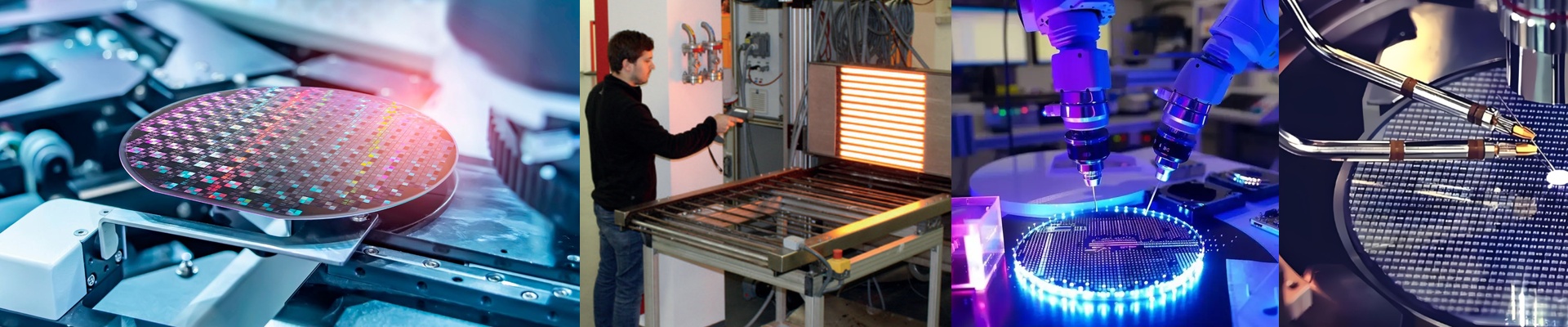
We build our modules to IP65 standards. In plain English? They’re dust-tight and can handle a blast of water without breaking a sweat. In a messy factory, dust and grime love to crawl into electrical contacts and ruin everything. By keeping the infrared elements in their own sealed, modular frames, we keep the filth out. Plus, you don’t have to mess with the wiring for the whole system. You just pull the dead module, slide in a fresh one, click the connectors into place, and you’re back in business.
The Honest Trade-off
Now, look—nothing is perfect. Modular systems have more connection points than something that’s just hard-wired. That’s a trade-off. You get incredible speed when something breaks, but you have to be careful about how those connectors handle the power. We use heavy-duty terminals so you don’t deal with voltage drops or parts overheating where they plug in. And if you’re running those high-wattage shortwave lamps, we make sure the internal cabling can actually handle the heat inside the box. No shortcuts.
What Maintenance Actually Looks Like
Maintenance shouldn’t feel like a full-scale electrical surgery. With this design, your tech doesn’t have to spend an hour recalibrating the entire array just because one tube gave up. They swap the module, check the seal, and flip the switch. It turns a multi-hour headache into a few minutes of work. Less downtime, less stress, and a much happier crew.