


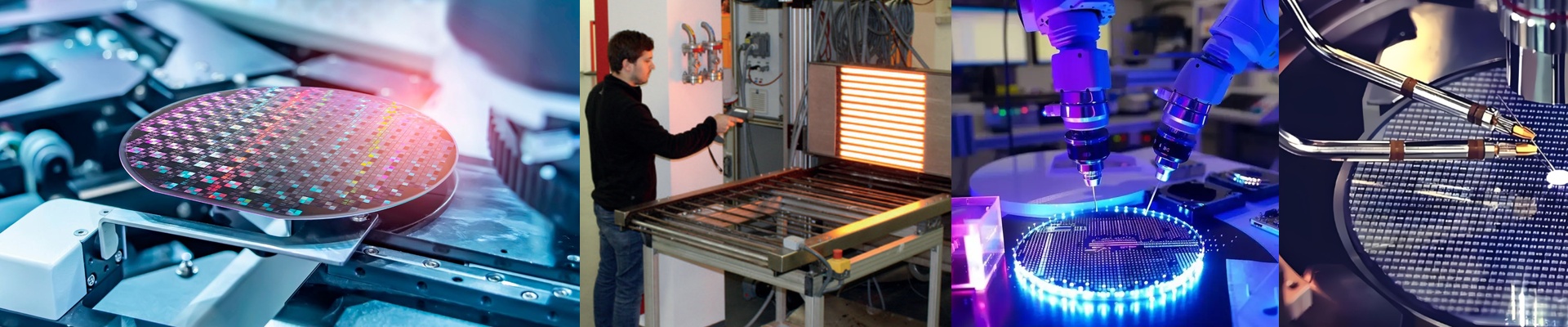
Stop Letting Your Heaters Kill Your Wafers
In a semiconductor fab or a high-precision optics lab, one tiny speck of dust is basically a grenade. It only takes one particle to ruin a whole wafer. But here’s the problem: when you need heat in a Class 100 cleanroom, your average heating element is a liability. They outgas. They shed debris. They’re just messy. To fix this, we use high-purity synthetic quartz glass shields for our IR lamps. It’s the only way to get the heat you need without the mess.
Why Quartz Actually Works
We don’t use just any glass. We use fused silica. The reason is simple: it doesn’t leak volatile organic compounds (VOCs) or metallic ions when things get hot. Standard glass starts to soften and break down under pressure. Quartz? It holds its own. It stays clear and strong, even at extreme temperatures. That means the IR radiation goes exactly where it needs to go, and the shield stays invisible and inert.
No Flaking. No Shards.
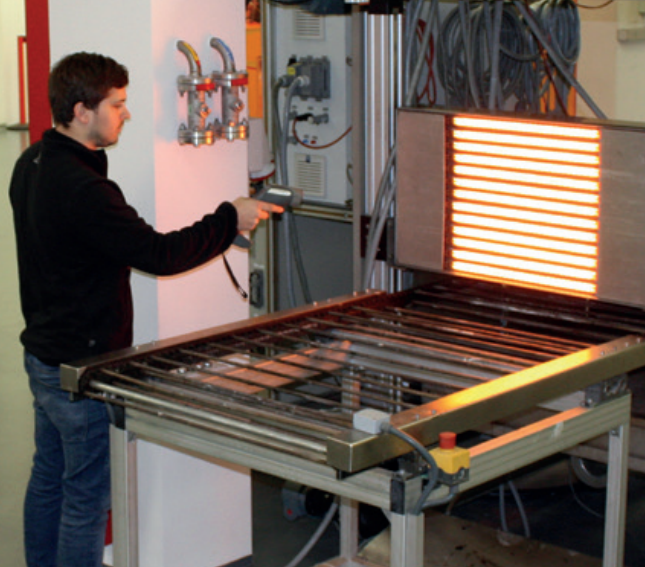
Think of the shield as a bodyguard. It stands between the heating filament and your workpiece. Cheap shields are a nightmare. They crack under thermal shock and send microscopic shards flying right into your production line. We’ve engineered ours to handle rapid heating and cooling cycles without breaking a sweat. We also keep the tolerances incredibly tight. The fit is snug, which stops air from swirling around and kicking up floor dust.
The One Catch
Now, there is a trade-off. High-purity quartz is a bit of a diva when it comes to surface oils. If a technician touches the glass with bare hands during setup, those finger oils bake into the quartz once it heats up. This creates “hot spots.” Those spots are dangerous—they can actually cause the tube to fail prematurely. So, please:**use lint-free gloves.**Clean everything with isopropyl alcohol (IPA). Get the wiring right, keep those shields spotless, and you’ll keep your cleanroom rating while still getting plenty of heat density.