
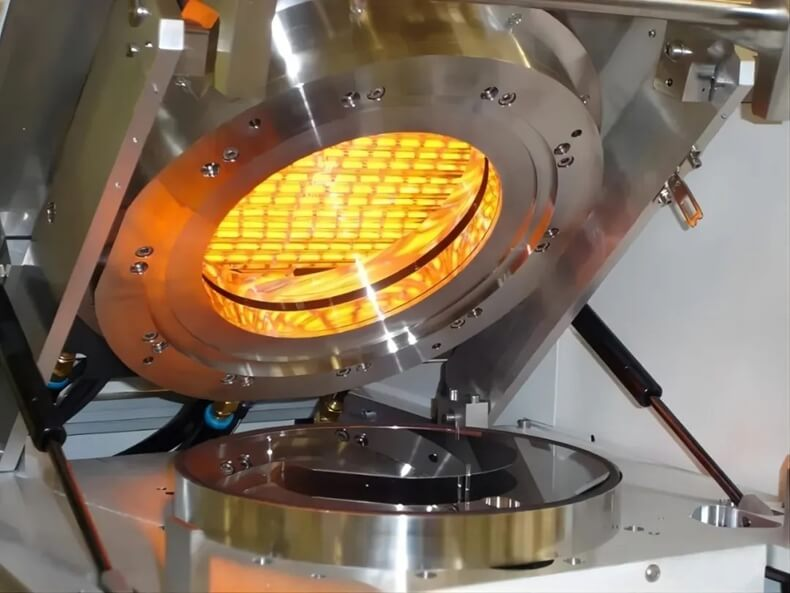
Stopping the Nightmare of Wafer Contamination
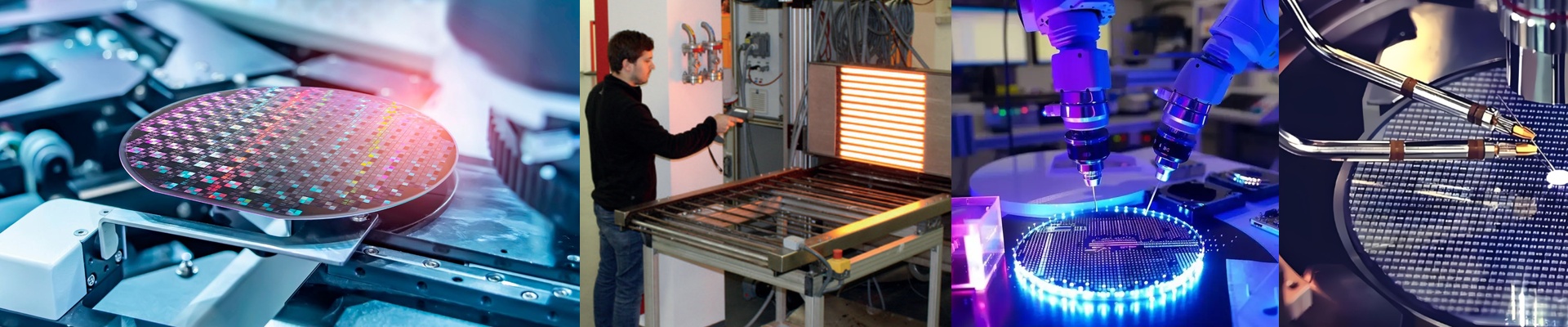
Let’s be honest: in high-load production, the thought of an infrared lamp bursting is enough to keep any engineer up at night. It’s not just about the heater quitting on you. The real disaster is what happens next. When a quartz tube goes, it basically rains glass shards and chemical gunk all over your wafer surfaces. One bad pop and your yield just went down the drain. That’s why we build our IR systems to make sure that “worst-case scenario” doesn’t actually ruin your day.
The “Sweet Spot” for Safety
We don’t just guess where the lamp should sit. We look at the thermal gradient. See, if the lamp is too close, the heat hits too hard. You get these localized hot spots on the quartz, the material stresses out, and then—crack. We build in a specific buffer zone. It’s a precise gap between the lamp face and the wafer. This keeps the radiation spread out evenly, so the tube doesn’t feel the strain, but you still get the fast ramp-up speed your process needs.
Keeping the Junk Out
We start with high-purity fused quartz to keep outgassing to a minimum. But we don’t stop there. We suggest using a physical barrier or a specialized guard frame. Think of it as a safety cage. It keeps the lamp locked tight and stops it from sagging as it gets older. If a tube does eventually burn out, the guard catches the debris. You won’t find glass shards landing on your silicon. Period.
The Balancing Act
Here is the thing: higher power density means faster heating. That sounds great for your cycle time, but it’s a lot of pressure on the quartz. If you’re pushing for maximum wattage to shave a few seconds off the clock, you’ve got to crank up the cooling flow to the lamp ends. If those electrodes overheat, the seal is going to fail. It’s all about a trade-off. We usually recommend balancing your throughput with a conservative safety distance. It’s a lot better than dealing with unplanned downtime and a pile of scrapped wafers.