
Power and Specs—Built for the Real World
Let’s talk about what makes these electric blow heaters tick. We designed them for industrial machines that need heat—fast, focused, and right on target. They run on 400V, which taps into standard three-phase power. That keeps the current lower for the same wattage, so you get less voltage drop. The payoff? You can run longer cables without having to oversize the wiring. It just makes life easier on the install. At 2500W, we hit a sweet spot: plenty of heat density without straining the power supply. And the 300mm length? It’s the right size for tight spaces—the kind of footprint that slips into compact heating zones where longer elements just won’t fit.
Inside the Build: Halogen, Quartz, and a Smart Coating
Under the hood, you’ll find a halogen element inside a quartz tube. Halogen keeps the filament steady even at scorching temps, so the output stays consistent—no drift, no surprises. The quartz body handles thermal shock like a champ, so rapid on/off cycling doesn’t wear it down. We also added a reflective coating that pushes more infrared energy forward. In plain terms: more usable heat hits the target, and less gets wasted heating up nearby parts. And the R7s connector? It’s straightforward, industrial-grade, and reliable. Solid contact, handles the load, and makes the lamp a simple drop-in replacement on machines already set up for that standard.
Where It Shines: PET Blowing and More
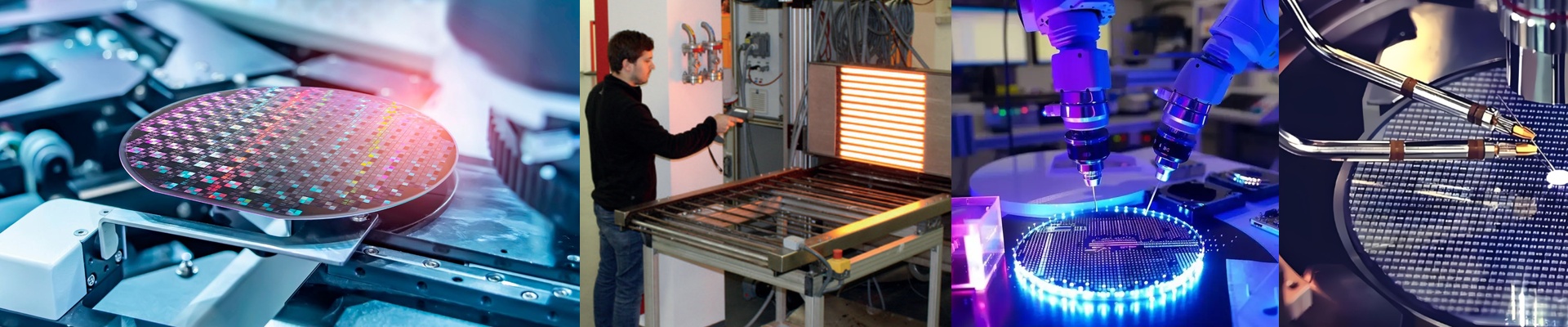
This setup was born for blow heating, especially PET blowing. You need heat that’s predictable and fast to soften the preform before stretching. With high heat density, you can heat quickly—so cycle times stay brisk. That concentration does mean you have to manage cooling and shield nearby components. Otherwise, sensors and plastics can get too hot. But when you’ve got the right guarding in place, this heater becomes a dependable workhorse. It installs fast, and once it’s running, the output stays steady—no fuss, just consistent performance.