

Step outside on a crisp evening, and the air can turn your patio from cozy to uninviting in a heartbeat. You want warmth that shows up instantly, spreads evenly, and stays under your control without making you walk back inside. That’s exactly what a Bluetooth electric heater brings to outdoor living—instant infrared warmth, paired with straightforward app control.
What matters, technically
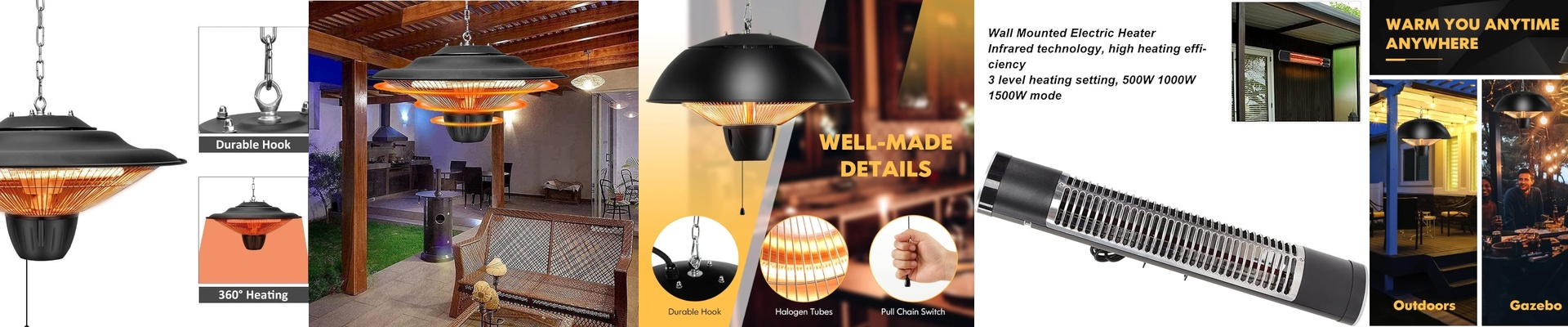
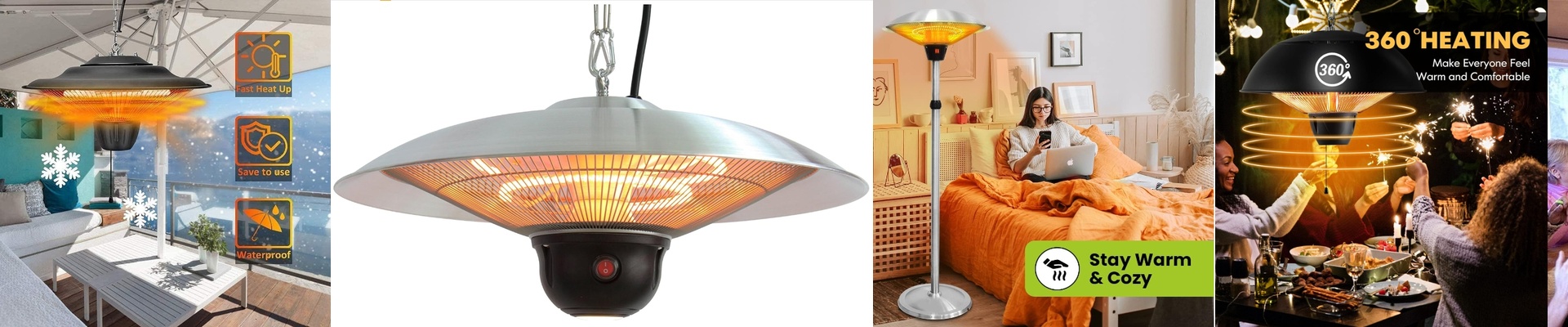
Bluetooth electric heaters deliver radiant heat straight to people and surfaces, not to the air. Many models run on carbon fiber or quartz elements, pushing out infrared warmth without firing up a bulky blower. The payoff is quick comfort and less air movement, which actually matters when the breeze picks up.
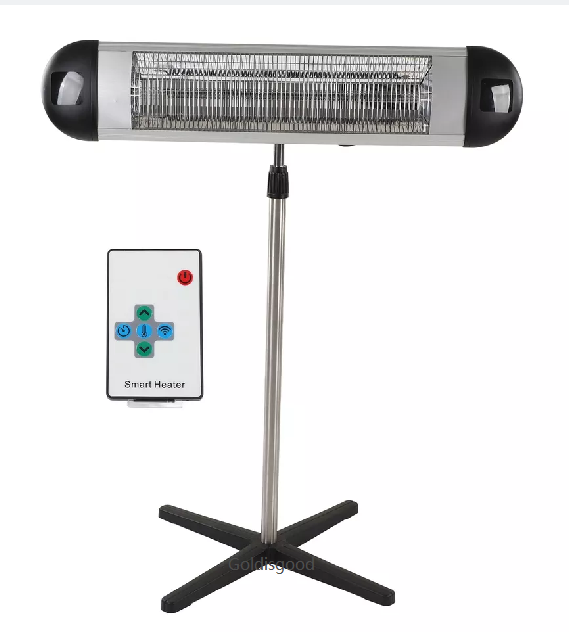
Built-in Bluetooth lets you tweak heat settings, set timers, and save presets from your phone, so you can fine-tune comfort without touching the unit. Look for safety features that belong in actual homes: tip-over protection, overheat cutoff, and a stable base. For outdoor use, check the IP rating to confirm protection against dust and splashing water.
Why this works where you need it
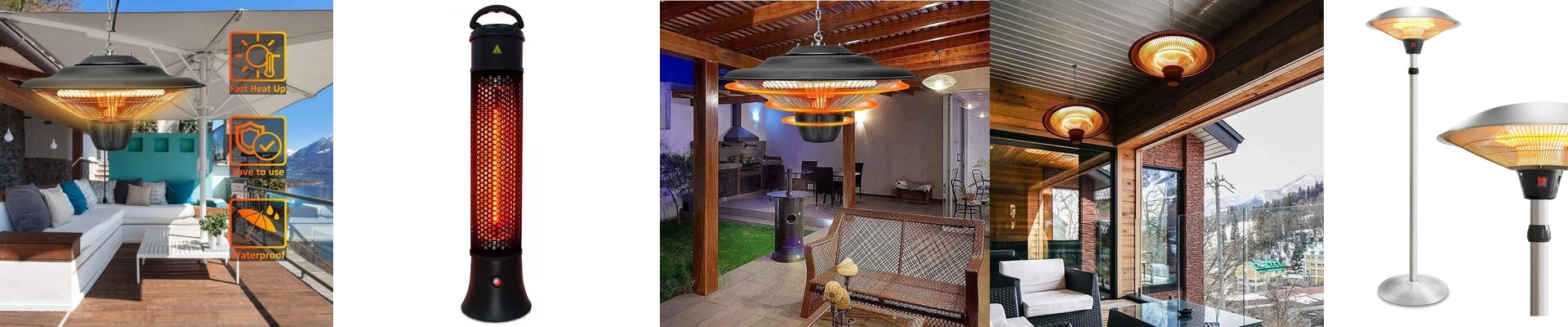
Installation height and angle decide whether infrared warmth feels even or spotty. Mount the heater too high, and the beam spreads wider but loses punch at floor level. Mount it too low, and you’ll get uneven heating and hot spots.
For most residential patios, aim for 7 to 9 feet above the floor, and angle the heater so the infrared pattern covers seating areas evenly. With Bluetooth control, you can make small adjustments from your chair, keeping the warmth matched to how you’re actually sitting—whether you’re gathered around a table or stretched out in a lounge chair.
The things you actually need to know
Bluetooth range is usually short, and walls or dense outdoor structures can cut into signal reliability. For the best experience, stay within the manufacturer’s recommended distance and keep the heater in clear line-of-sight to your phone.
Also confirm the power supply matches your outdoor outlet, and don’t use extension cords that aren’t rated for the heater’s load. Plan the mounting point first, then pair the app, and you’ll get steady comfort instead of constant trial and error.