
Built for the Grind: Power, Heat, and a Small Footprint
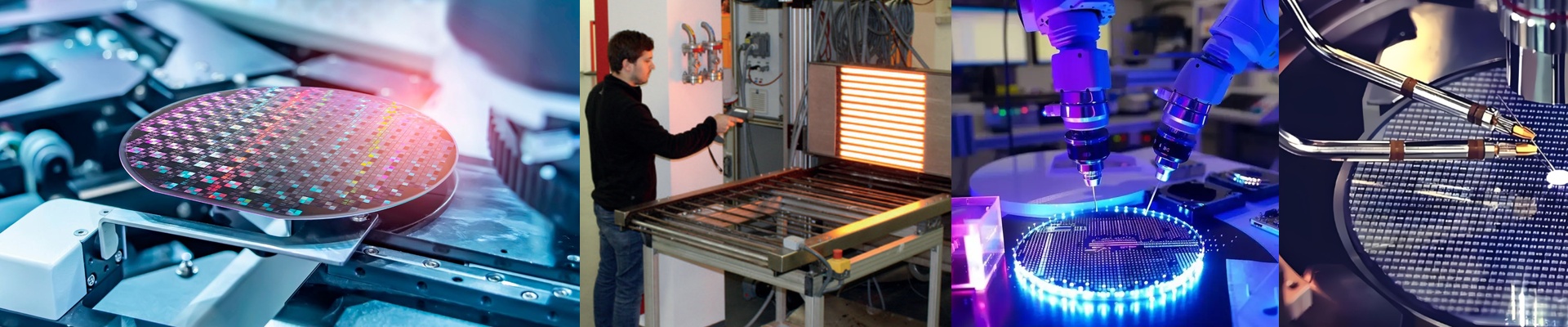
Let’s get real. These heaters aren’t for weekend projects. We built them for the heavy stuff—industrial work, day in and day out. So we spec them at 400V. Why? Because it gives you serious power without forcing crazy amounts of current through the wiring. The payoff? You get smaller wires inside the machine, less voltage drop, and a control panel that stays cooler. And the wattage? It’s matched perfectly to the tube length and the heat density you need. The result is simple: the heater hits the set temperature fast—and then holds it steady, even when the load is heavy. The 300mm length is intentional too. It’s a sweet spot. Enough radiant area to heat properly, but short enough to squeeze into tight spots.
Inside the Build: Halogen, Coating, and the R7s Advantage
The halogen elements run hotter and cleaner than standard filaments. That keeps the quartz envelope clear, so you get steady, consistent output over time. That coating on the quartz tube isn’t just for looks. It helps spread the heat evenly and shields the element from sudden thermal shock when the unit starts up. And the R7s connector? It’s the practical call. It handles the high current, lines the tube up right inside the reflector, and locks in place—no extra hardware, no fuss.
Real-World Use: PET Blowing and Focused Heat
In PET blowing, you need heat that hits hard and hits fast. You need to soften the parison without turning the whole machine into a sauna. This setup gives you high heat density in a compact footprint, so the heat goes exactly where you aim it. Plus, it’s CE approved, which means the design meets harmonized safety standards for industrial equipment—making compliance easier on your machines. One thing to keep in mind: the output is intense. So your machine has to be built to handle the airflow and thermal load around the heater.