



A big warehouse is tough to keep comfortable. Heat rises and scatters, so the people on the floor feel it while the energy bills keep climbing. Standard systems warm the air, not the people, and you feel that difference every shift—in comfort, morale, and the monthly numbers.
What actually matters under the hood
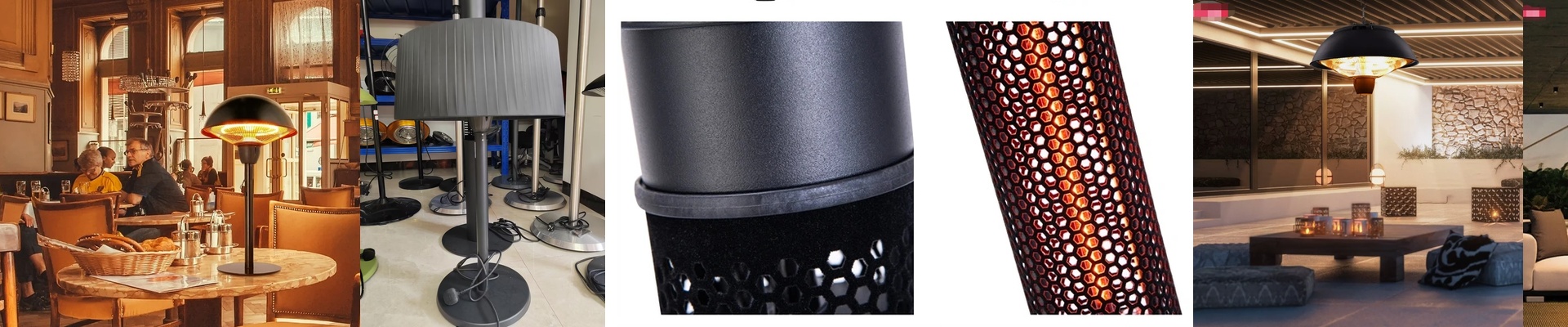
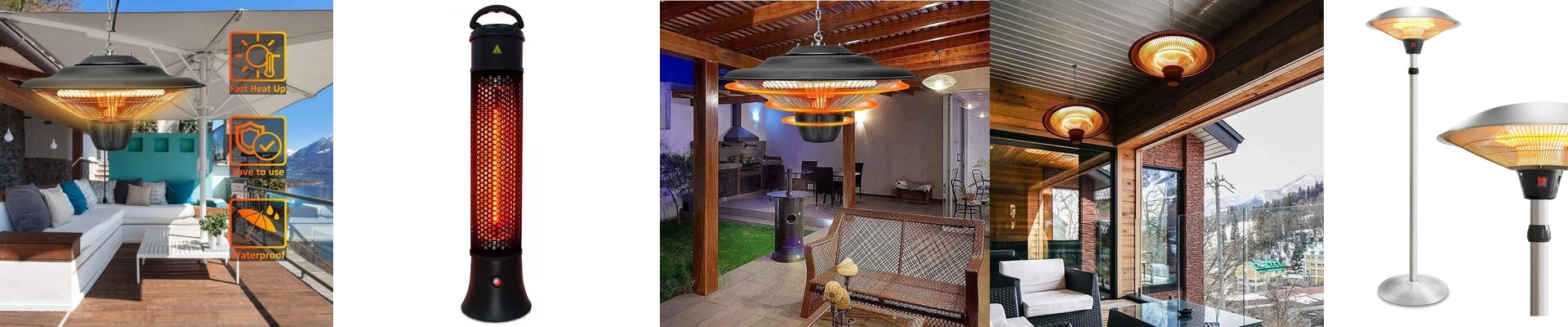
We built this greenhouse heater around short-wave infrared, so the warmth is radiant. It travels in a straight line and heats bodies and surfaces directly, not the air in between. The quartz tube element comes up fast and holds steady through frequent on/off cycles, so you get heat when you need it without waiting around. Pick the output that matches your space: 1.5 kW, 3.0 kW, and 4.5 kW models all run on standard 230 V outlets, and they’re fitted with a solid IEC connector for day-in, day-out reliability. A built-in thermostat keeps the area at the set temperature, and tip-over protection shuts the unit off if it gets bumped. In dusty, damp areas, the IP54 rating means the heater can handle the typical conditions you find in a warehouse.
Why this approach fits a warehouse
In a large space, you need heat that goes where the work is. Infrared warmth targets people and objects, so comfort hits the moment you step into the beam. That focus cuts down on wasted energy over empty aisles and keeps the floor from feeling drafty. Workers stay warm without cranking the thermostat, which can translate to lower energy use and more stable conditions for sensitive stock. The floor keeps moving, interruptions drop, and the place feels welcoming even on the coldest mornings.
The details that make it work
Infrared heats what it can “see,” so placement is everything. Mount the heaters high and angle them toward work zones and walkways, then map the coverage so the whole floor gets even warmth. Clearances matter. Keep the unit at least 30 cm from combustibles, and follow local wiring codes. For the best results, pair the heater with reflectors to steer the warmth where you need it and use zoned control to match the schedule of different areas.